

Categories
Aviation Industry News Aviation Industry News - Media Pilot Training Pilot Training News

DGCA Exam Guide: Syllabus, Eligibility Criteria, Exam Pattern, and Preparation Tips


The dream to become an airline pilot who leads an aircraft into the skies remains an intense aspiration for people who plan to join the aviation world. Every future pilot must prepare themselves thoroughly before successfully passing the DGCA exam to achieve their flight objectives. The Directorate General of Civil Aviation (DGCA) runs a necessary examination to give licensed pilot credentials in India.

This complete guide teaches how to understand the DGCA examination content, qualification requirements, test structure, and useful preparation approaches to help you through this essential aviation career checkpoint.

Understanding the DGCA Exam

The definition of the DGCA exam needs clarification since we must understand its basic characteristics. India’s civil aviation gets its oversight under the DGCA authority, which maintains oversight of flight safety as well as licensing and aviation regulatory processes. A candidate’s aviation-related subject knowledge and understanding will be assessed through the series of examination tests configured by DGCA. The examination serves as a legal prerequisite to receive two essential flying endorsements namely Commercial Pilot Licence (CPL) and Airline Transport Pilot Licence (ATPL).

Eligibility Criteria for DGCA Exam

Many people who want to become pilots have doubts about the eligibility criteria for their DGCA certification exam. Licencing requirements change based on the pilot certification one selects, but most candidates must meet fundamental standards that include:

  • Age: The minimum qualification age depends on the specific flight license type they wish to obtain. Student Pilot License holders need to reach 16 years or older for eligibility, but CPL applicants should meet a minimum age requirement of 18 years.  
  • Educational Qualification: Candidates must obtain a 10+2 education certificate which includes Physics with Mathematics as essential science subjects. Students who missed Physics and Mathematics education in school have two options to validate these requirements through NIOS or equivalent programmes.
  • Medical Fitness: To pursue pilot training, aspirants need to fulfil medical fitness standards tested by DGCA-sanctioned medical examiners. All candidates must fulfil guidelines that verify their physical and psychological health abilities for aviation operations.
  • Flying Experience: The DGCA requires candidates who apply for CPL along with ATPL to meet flying experience requirements that match recommendations.

Evaluating eligibility requirements should start with the official DGCA website because it contains the latest updated standards.

DGCA Exam Syllabus and Subjects

Students need to understand the complete structure of the DGCA exam syllabus to gain effective preparation results. The teaching content evaluates candidates through theoretical knowledge exams, which cover various subjects related to aviation. The key subjects include:

  • Air Regulations: Covers Indian and international aviation laws, rules, and procedures governing air travel.
  • Aircraft General Knowledge: Includes the principles of aircraft systems, engines, instruments and structures.
  • Navigation: Focuses on flight planning, air navigation techniques, and the use of modern navigation systems.
  • Meteorology: Teaches weather phenomena, their impact on flying, and methods to interpret meteorological data.
  • Aviation Meteorology: A specialised branch of meteorology that deals with aviation-specific weather conditions and forecasting.
  • Radio Telephony: Covers communication protocols used by pilots to interact with Air Traffic Control (ATC) and other aircraft.
  • Human Performance and Limitations: Discusses how physiological and psychological factors affect pilot performance, including fatigue management and stress handling.

The DGCA exam consists of written tests, primarily multiple-choice questions (MCQs). Some advanced licenses may also require oral interviews and flight checks.

Effective Preparation Strategies for DGCA Exam

The DGCA pilot exam is challenging, but with the right approach, candidates can maximise their chances of success. Here are some practical preparation tips:

  • Develop a Study Plan: Students need an organised study schedule for their success. Divide your subject material into smaller sections then schedule particular time blocks for each topic. Regular practice during study sessions results in an improved understanding of subjects.
  • Use Reliable Study Materials: Students should allocate their funds toward acquiring textbooks endorsed by DGCA along with study guides approved by DGCA and choosing online educational materials. Popular educational resources dedicate complete coverage to the curriculum standard as well as question examples and clarification content.
  • Practice with Mock Tests: Using prior question papers and mock tests for the exam will enable you to understand how the examination format works. The act of practising exams under real examination conditions helps students develop better time management abilities.
  • Consider Coaching (Optional): The pursuit of aeronautical knowledge through self-study remains feasible but the training offered by flight institutions and coaching programmes brings organised subject matters and experienced mentorship with standardised evaluation processes.
  • Focus on Conceptual Understanding: Prioritise the grasp of basic concepts instead of the traditional approach of memorisation. Sufficient familiarity with underlying concepts enables better performance in application-based questions.
  • Stay Updated with Aviation Trends: The aviation industry expands with increasing speed. An expansion of your aviation competency derives from reading aviation news together with studying the regulatory DGCA circulars and relevant publications which introduce you to both industry trends and technological developments and regulatory updates.
  • Maintain a Healthy Lifestyle: The necessary condition for achieving your performance goal requires a psychically and physically healthy state. Your stress management will benefit greatly from proper sleep combined with diet balance and physical exercise.
  • Seek Guidance When Needed: Professional pilots and instructors together with your fellow students must receive your immediate contact when academic obstacles emerge. The participation in online student forums and study groups enables students to find extra support and additional knowledge.
  • Maintain a Positive Mental Attitude: The development of self-confidence comes from a positive mental attitude. Candidates need perseverance along with a strong belief to pass the DGCA pilot examination. Your ability to advance depends on maintaining faith in your skills together with a positive outlook while facing any challenge.

Conclusion

The completion of DGCA exams stands as a critical requirement for attaining professional pilot status. To succeed in the DGCA examination students need comprehensive preparation along with a strong knowledge base in aviation theory together with self-disciplined study methods. Aspiring pilots who complete their curriculum studies together with the required qualifications and create efficient study strategies will boost their examination success potential.

Aviation functions as a field which requires both determination and lifelong education. Your dedication and consistent effort will lead you toward your aviation goal of earning flight qualifications and reaching your dream of high-altitude aviation. Safe skies ahead!


Start Your Flying Journey Now

Categories
Aviation Industry News Aviation Industry News - Media Indian Aviation News Pilot Training Pilot Training in India Pilot Training News

Aviation Culture: What Every New Pilot Should Know About Industry Etiquette

Any aspiring aviator finds it an exciting experience to enter the aviation industry. The possibilities are unlimited, but in addition to technical expertise and flying prowess, a good pilot must also possess an unsaid but crucial component: an awareness of aviation etiquette and culture. Understanding the cultural rules within the aviation profession will lead to your professional success and enduring workplace relationships with your fellow pilots.

Respect the Hierarchy

A system of structure and discipline forms the foundation of aviation operations. When beginning your pilot training you will immediately observe that hierarchy features strongly throughout the program. All aviation professionals from captains to first officers to flight instructors need their roles respected. This represents both safety measures and operational efficiency so show your senior members proper reverence for professional conduct.

You must regard everyone you encounter who has more flight experience and has contributed to a successful aviation operation, including pilots, air traffic controllers and ground staff.

Communicate Clearly and Professionally

Communication is the backbone of aviation. Pilots are trained to follow flying rules and regulations, which include using precise and concise language. Whether you’re talking to air traffic control (ATC) or your co-pilot, clarity is crucial. Miscommunication can lead to serious consequences.

The aviation standard phrases and technical vocabulary are a part of your training curriculum. The radio requires the usage of official flight terminology instead of casual expressions. Enhanced communication demonstrates your dedication to professional aviation while simultaneously making you a better pilot.

Be Punctual and Prepared

There are rigorous schedules for aviation operations. Your ability to appear on time demonstrates professional behaviour in your employment as a pilot. Delays resulting from late arrival cause operational interruptions that affect ground personnel processes followed by airline customer travel timelines. Before flight departure, you need to examine flight plans together with weather reports and official aviation rule updates in detail.

Working in compliance with company defined procedures and keeping your personal appearance flawless marks your readiness status. Your appearance within the aviation industry communicates your professional attitude toward your work since the field demands both internal and external discipline.

Prioritize Safety Over Ego

New pilots frequently make the error of allowing their egos to damage their decision-making abilities. Each pilot must prioritise safety because it represents their first responsibility. When faced with an uncertain situation you should directly ask for help instead of second-guessing yourself. An admission of ignorance shows both maturity and professionalism instead of weakness.

Operating according to pilot rules alongside prioritising safety will increase your colleagues’ trust and respect for you. As a professional pilot, their educational journey continues throughout their entire aviation career.

Build Strong Relationships with the Team

Being able to fly requires multiple team members working together. Your colleagues from cabin crew to co-pilot to ground staff need trusted relationships for success. Show respect to anyone you meet at any rank in the workplace system.

The need for collaboration becomes crucial during emergencies. Spending time to build trust between team members will lead to better crisis management outcomes which produces lasting benefits for your organisation.

Adhere to the Flying Rules and Regulations

Every pilot is expected to follow the established flying rules and regulations of their respective region. These rules are in place to ensure safety and standardisation. For instance, Indian pilot qualification requirements are set by the Directorate General of Civil Aviation (DGCA) to maintain high standards for pilots operating in India.

As a pilot, staying updated on regulatory changes and being aware of international standards will help you navigate your career with confidence. Ignorance of the rules is never an excuse in aviation, so make continuous learning a priority.

Understand Cultural Sensitivities

If you aspire to become a commercial pilot in India or any other part of the world, understanding cultural nuances is important. Aviation is a global industry, and you’ll interact with professionals from diverse backgrounds. Respecting cultural differences and adapting to varied work environments will make you a more effective and respected pilot.

For instance, when flying to different countries, familiarise yourself with local aviation practices and etiquette. This demonstrates your professionalism and commitment to being a global aviator.

Stay Humble and Open to Feedback

No matter how skilled you become, there’s always room for improvement. Aviation is an industry where complacency can have serious consequences. Embrace feedback from your instructors, peers, and superiors. Constructive criticism is an opportunity to learn and grow.

During training, you may face challenging situations that test your abilities. Instead of taking feedback personally, use it as a stepping stone to become a better pilot.

Keep the Aircraft Clean and Organized

Pilots often share aircraft with others, especially during training and early in their careers. Maintaining cleanliness and organisation is a sign of respect for the next user. This includes checking the cockpit, ensuring all equipment is in its proper place, and cleaning up any personal items before leaving.

While this may seem like a minor detail, it reflects your overall attitude toward professionalism and teamwork.

Balance Confidence with Humility

Confidence is an essential trait for any pilot, but it must be balanced with humility. Overconfidence can lead to errors, while humility keeps you grounded and open to learning. Recognise your achievements but remain aware of your limitations.

Being humble also helps you connect better with others in the industry. Pilots who respect their peers and acknowledge their contributions create a positive and supportive environment.

Never Stop Learning

Aviation is an ever-evolving industry. New technologies, aircraft models, and regulations are constantly introduced, making continuous learning essential. Staying updated on advancements in aviation not only enhances your skills but also ensures you remain compliant with pilot rules and industry standards.

Consider joining professional associations, attending workshops, and participating in simulator training to stay ahead in your career. For instance, understanding the latest updates in flight rule aviation can give you a competitive edge.

Conclusion

Aviation culture is more than just rules and procedures; it’s a way of life that emphasises discipline, respect, and continuous improvement. As a new pilot, embracing industry etiquette will not only make you a better aviator but also help you build a strong reputation within the community. Whether you’re working toward meeting Indian pilot qualification standards or learning to master international flying rules and regulations, the key is to remain professional, humble, and safety-conscious.

By integrating these values into your daily routine, you’ll not only excel in your career but also contribute positively to the aviation industry as a whole. So, gear up, stay curious, and take to the skies with confidence—your journey as a pilot has only just begun.

Start Your Flying Journey Now

FAQs

Q. Why is professionalism important in aviation?
A. The fundamental requirement in aviation is professionalism which delivers safety together with operational efficiency and respectful conduct for every procedure. The aviation team depends on collaborative relationships between pilots and crew members and support staff to correctly comprehend their responsibilities. A workplace ethic built on professionalism helps teams trust each other more while creating environments where everyone meets industry protocols.

Q. How should a new pilot communicate with other crew members?
A. New pilots should communicate clearly, respectfully, and professionally with all crew members. Use standard aviation language, listen actively, and avoid casual or unclear phrases. Being polite and open to feedback helps create a positive working relationship.

Q. What is the significance of personal appearance and grooming for pilots?
A. The way a pilot presents themselves in terms of appearance and grooming indicates both their readiness and their professionalism. A pilot who maintains an appropriate appearance creates both passenger trust in their capabilities and a sense of respect among colleagues. The protocols of the aviation sector require maintaining high standards that match how people understand professionals through their first interactions.

Q. What is the role of safety culture in aviation etiquette?
A. Flight safety constitutes the fundamental foundation of aviation etiquette. Staff members both onboard and in the cockpit prioritise safety above every other consideration while maintaining procedural correctness. The culture exists to develop trust while reducing hazards which leads to protected environments for all participating personnel.

Q. How should new pilots interact with ground crew and support staff?
A. New pilots should treat ground crew and support staff with respect and appreciation. Recognise their critical role in ensuring the flight’s success, communicate politely, and collaborate effectively. Building strong relationships with them improves teamwork and operational efficiency.

Q. How does aviation culture emphasise the importance of a work-life balance?
A. Aviation culture supports work-life harmony because it produces increased focus together with lower stress levels. The aviation industry supports pilots to spend time with loved ones and get rest after their flight duties. Such a balanced combination leads to better performance alongside protecting their long-term health.

Categories
Aviation Industry News Aviation Industry News - Media Pilot Training Pilot Training in India Pilot Training News

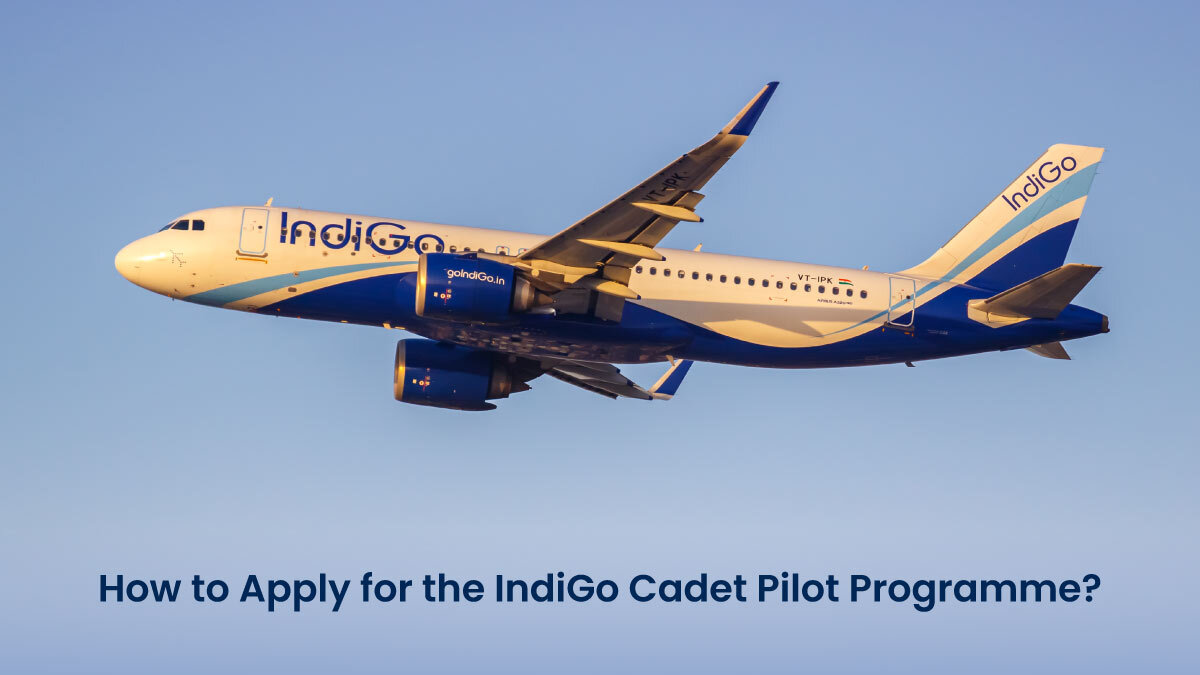
How to Apply for the IndiGo Cadet Pilot Programme?

Enrol in Top-Rated Pilot Cadet Training Now!

Have you ever wanted to fly and pursue a profession as a pilot? The IndiGo Cadet Pilot Programme might be your ticket to a fantastic aviation career! This blog post provides an in-depth overview of this fantastic pilot course, including eligibility requirements, application procedures, and helpful resources for prospective Indian pilots.

Overview of the IndiGo Cadet Pilot Programme

The IndiGo Cadet Pilot Programme is a collaboration between IndiGo Airlines, a significant Indian passenger airline, and a number of famous flight training facilities. This unique program is specifically designed for individuals with absolutely no prior flying experience. 

Four Phases to Begin Your First Flight

The program is divided into four key phases: 

Phase 1: Building the Foundation (CPL ME IR)

  • Ground Theory: 4 months of intensive ground school, where you’ll learn about the fascinating world of aviation—from aerodynamics and meteorology to navigation and aircraft systems. 
  • Flight training: You’ll take to the skies, mastering the art of flying single-engine and multi-engine aircraft for the next 11 months. 

Phase 2: License Conversion—India

This phase of training will be completed in India and will require you to take the DGCA-examined flight test to convert your SACAA CPL with IR to DGCA CPL with IR. 

Phase 3: Learning How to Fly Airbus A320

Get ready for the next level! This phase focuses on mastering the Airbus A320, the backbone of IndiGo’s fleet. 

  • A320 Type Rating: 2 months of intensive training to master the intricacies of this incredible aircraft. 

Phase 4: Joining IndiGo as a Junior First Officer (JFO)

Upon meeting the requirements and passing the license skill test, cadets will be eligible to join IndiGo as JFO. 

Pilot Course Fee

Please contact Insight Aviation for details on the IndiGo Cadet Pilot Programme fees.

What’s Included in the IndiGo Cadet Pilot Programme:

  • Comprehensive Flight Training:
    • World-Class Foundation: Ground School training with exam fees covered. 
    • Flying Training: Gain invaluable flight training experience at 43 Air Schools, including all necessary fees, exams, and testing. 
    • Mastering the A320: Complete the prestigious A320 Type Rating training, preparing you to fly IndiGo’s state-of-the-art aircraft. 
  • Logistics & Support:
    • Accommodation: Support with finding suitable accommodation during training.
    • Essential Resources: All necessary training materials, uniforms, and equipment will be provided. 

Requirements to Become a Pilot

To be eligible to become a pilot, you need to adhere to the requirements shared below:

  • Candidate must be aged between 18 to 35 years old.
  • Applicant shall have a valid passport and the right to live and work in India.
  • Applicant should be fluent in English (Written and Verbal).
  • Should obtain and maintain DGCA Class 1 Medical Certificate.
  • Applicant should meet education qualifications: 10+2 with a minimum score of 51% in each subject individually – Physics/Mathematics/English or a higher degree in these subjects with a minimum score of 51%

Assessment and Selection in IndiGo Cadet Pilot Programme

If you meet the above shared eligibility requirements – Congratulations! You move forward to the next steps of being a future pilot!

Step 1 : Online Assessment

Candidates who meet the eligibility requirements will be asked to take an Online Assessment.

The assessment will cover –

  • Pilot Aptitude Test – Hand-Eye Coordination & Motor Skill Test
  • Computer Based Testing
  • Technical Reasoning (Multiple Choice Question Format)
  • Mathematics and General Aptitude Test
  • Dynamic Multi-Task Test

Step 2 : Group Discussions

Those who successfully complete the online assessments will be invited to participate in a group activity. This stage will assess your communication, teamwork, and interpersonal skills in a collaborative environment.

Stage 3: Personal Interview

The final stage involves a one-on-one interview with the IndiGo selection panel. This interview will provide IndiGo with further insights into your personality, motivation, and suitability for a career in aviation.ality, motivation, and suitability for a career in aviation.

Start Your Flying Journey Now

Frequently Asked Questions

Q. How can I apply for the IndiGo Cadet Pilot Programme?
A. Eligible applicants can head over to Insight Aviation’s official website and apply directly.

Q. What is the selection process for the IndiGo Cadet Pilot Programme?
A. Selection process for the IndiGo Cadet Pilot programme is divided into three stages – Online Assessment, Group Discussion and Personal Interview.

Q. What kind of training does the IndiGo Cadet Pilot Programme include?
A. It includes Ground Theory, Flight training, Simulator Training, and A320 Type Rating.

Q. What documents are required to apply for the IndiGo Cadet Pilot Programme?
A. Applicants need to have valid academic transcripts, DGCA Medical Certificate and a valid passport.

Q. Is prior flying experience required for the IndiGo Cadet Pilot Programme?
A. No prior flying experience is required for the IndiGo Cadet Pilot Programme. Eligible Candidates can simply apply on the designated portal and go through the 3 stage selection process.

Categories
Aviation Industry News Aviation Industry News - Media Pilot Training Pilot Training in India Pilot Training News

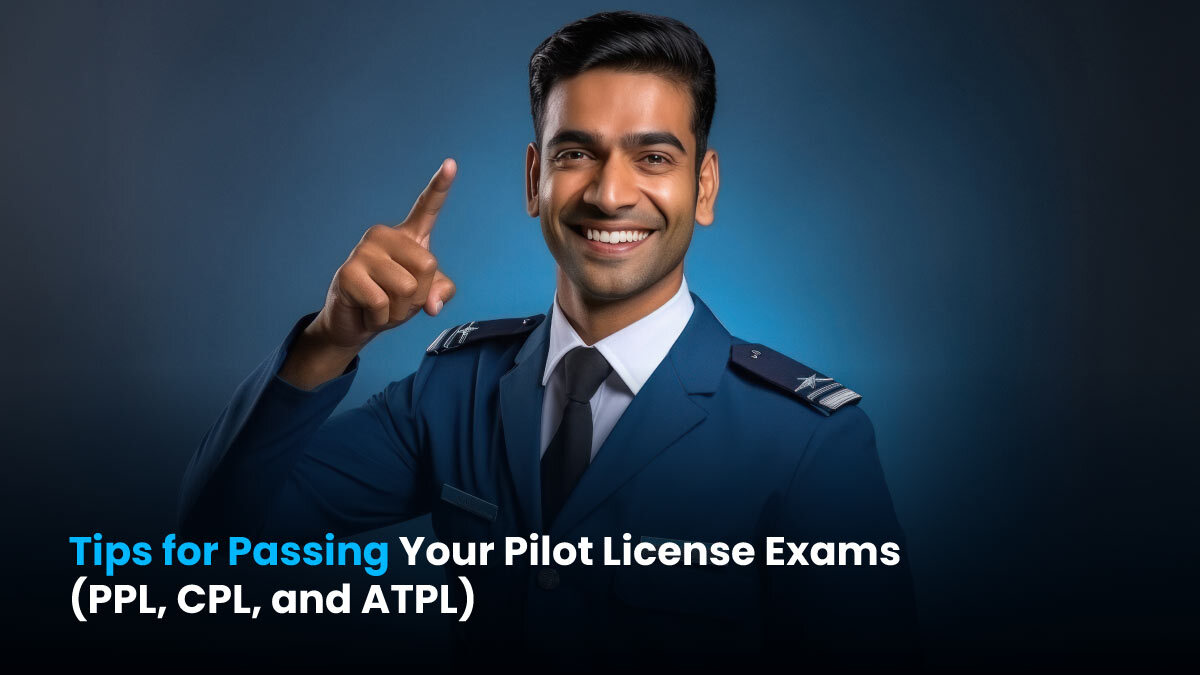
Tips for Passing Your Pilot License Exams (PPL, CPL, and ATPL)

How far will you go to achieve the freedom of flight and claim your pilot’s license?

Whether you’re aiming for a Private Pilot License (PPL), Commercial Pilot License (CPL), or the Airline Transport Pilot License (ATPL), the journey to becoming a licensed pilot requires serious preparation. These exams can be demanding, and without proper planning, the pressure can build up, leading to unnecessary stress. By preparing well in advance and following the right strategies, you can ease the burden. This ensures success without the anxiety. Here are some effective tips to help you confidently pass your pilot license exams.

Understand the exam structure

Before you begin your study, familiarise yourself with the exam structure for each licence. The PPL, CPL, and ATPL exams differ greatly in content and complexity. The PPL examines fundamental flying principles, navigation, meteorology and regulations. The CPL expands on this expertise by going into flight planning, expert navigation, and operating procedures. The ATPL is the most thorough, covering a broad range of topics such as airline operations, complex systems, and aviation legislation. Understanding the structure will allow you to manage your study time better.

Create a study plan

A well-organised study schedule is essential for effective exam preparation. Break down the topics you need to cover for each licence and set precise study objectives for each session. Allocate additional time to subjects that you find difficult. For example, if aerodynamics is tough for you, devote extra hours to understanding it. To strengthen your learning, combine theoretical information with practical exercises.

Use high-quality study materials

Invest in high-quality study materials related to the PPL, CPL, and ATPL tests. Consider using textbooks, online courses, and study guides made exclusively for pilot licensing tests. Supplement your knowledge with official materials from aviation authorities like the FAA or EASA. Practice question banks can also be extremely useful because they imitate the format and types of questions you will find on the actual exams.

Join a Ground School

Enrolling in a ground school can greatly improve your grasp of complex topics. Ground schools offer structured learning environments, competent instructors, and useful resources. Interacting with lecturers and other students can also help to explain and reinforce your knowledge. Furthermore, many ground schools provide practice exams to help you get used to the exam format and scheduling.

Practice, Practice, Practice!

Practical application of academic knowledge is vital. Use flight simulators to reinforce what you’ve learnt. Simulators provide a safe environment for practising different flight scenarios, emergency procedures, and navigation techniques. Also, look for possibilities for dual training with a competent flying instructor. This hands-on experience will help you gain confidence and prepare for practical flight tests and theoretical exams.

Focus on Weak Areas

As you proceed through your education, learn and focus on your weak points. Take the time to examine things that you find difficult and seek assistance when necessary. Addressing your shortcomings head-on, whether through discussions with teachers, online forums, or study groups, can guarantee that you have a thorough understanding of all subjects covered in the tests.

Keep Up with Aviation Regulations

Aviation regulations play a significant role in pilot license exams, making it essential to stay current with the latest rules, procedures, and safety measures. Regularly review the regulations specific to your license type—whether PPL, CPL, or ATPL—and familiarise yourself with any updates in aviation law. Not only will this knowledge help you succeed in the exams, but it will also equip you to handle real-world flight operations.

Handle Exam Stress Effectively

Dealing with exam stress is a common challenge for pilots. To manage anxiety, practice relaxation techniques such as deep breathing, visualisation, or mindfulness. Prioritise getting enough sleep and maintaining a healthy lifestyle as you prepare for the exam. Staying well-rested and relaxed can enhance your focus and improve retention during study sessions and on exam day.

Take mock exams

Taking simulated exams is a great technique to determine your readiness for the actual pilot licence exams. Simulate exam situations to improve your time management and stress management abilities. Analyse your performance afterwards to identify areas for improvement. Mock tests can help you understand the types of questions you may encounter and alter your preparation tactics accordingly.

Stay Motivated

Finally, maintain motivation throughout your preparation. Remind yourself of your goals and why you want to become a certified pilot. Maintain a positive perspective by celebrating tiny accomplishments along the road. Surround yourself with helpful peers and mentors who will encourage you on your journey.

Successfully passing your pilot license examinations—whether for PPL, CPL, or ATPL—requires meticulous planning, unwavering focus, and a strong commitment to your goals. Familiarizing yourself with the exam structure, creating an effective study plan, and engaging in regular practice are key steps to building the confidence and knowledge necessary for success. Consider enrolling in Insight Aviation, the premier flight training school, where the IndiGo Cadet Pilot Programme offers comprehensive theoretical and practical knowledge. Embrace the challenges ahead and maintain your motivation, and you’ll be well on your way to achieving your dream of becoming a certified pilot. Good luck!

Start Your Flying Journey Now

FAQs

Q. What subjects are covered in the CPL (Commercial Pilot License) exam?
A. The CPL exam covers flight planning, advanced navigation, meteorology, aviation regulations, and operational procedures.

Q. What should I focus on during practical flight tests for pilot licenses?
A. During practical flight tests, you should focus on safe and precise aircraft control, proper decision-making, and adherence to aviation procedures.

Q. How many attempts can I make for pilot license exams?
A. The number of attempts may vary by aviation authority, but most allow multiple tries, often with a limit on failures before additional training is required.

Q. How important is flight simulator practice for pilot exams?
A. Flight simulator practice is imperative as it helps reinforce theoretical knowledge, improve procedural skills, and prepare for real-world scenarios.

Categories
Aviation Industry News Aviation Industry News - Media Indian Aviation News Pilot Training Pilot Training in India Pilot Training News

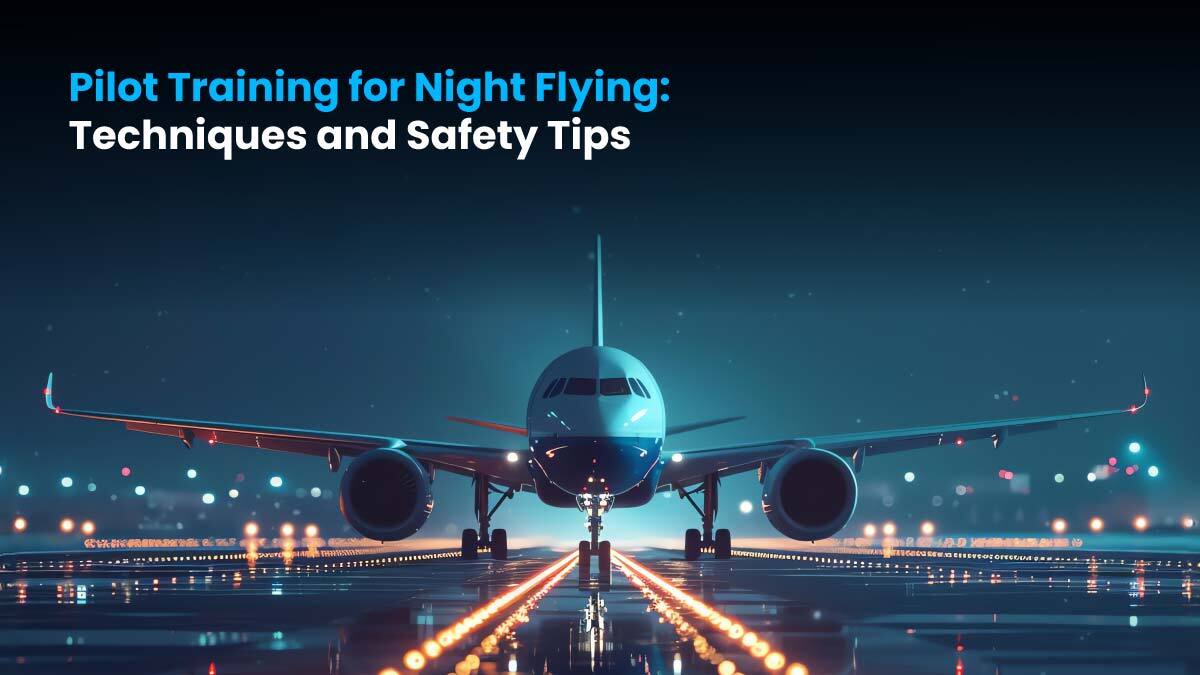
Pilot Training for Night Flying: Techniques and Safety Tips

For pilots, flying at night opens up an entirely different world in the skies. The quiet and darkness can be calming, but it also brings new challenges that require focus, precise skills, and rigorous safety checks. As visibility changes and reliance on instruments increases, successful night flying becomes an art that every aspiring pilot must master. This guide covers essential techniques, safety tips, and pilot training specifics for those committed to confidently navigating the skies after sundown.

At Insight Aviation, our commitment to safety and excellence makes us a leading choice for those looking to undertake this unique aspect of flight training. Our flying school offers specialised training modules dedicated to preparing pilots for the intricacies of night flying.

Why Night Flying Training Matters

Night flying differs substantially from daytime flights. The reduced natural light affects depth perception and situational awareness, while visual cues that pilots rely on during the day may no longer be visible or clear. As a result, pilots must adapt quickly and make extensive use of cockpit instrumentation to navigate, take off, and land safely. The goal of pilot training for night flying is to build these essential skills through hands-on practice and classroom instruction.

Essential Night Flying Techniques

  1. Understanding Depth Perception and Night Vision
    At night, depth perception changes significantly, which can alter the way pilots judge distances, especially during landings. Night flying training emphasises using visual and instrument-based cues to counteract this effect. For example, runway lights and altimeter readings become vital for safe landings. Pilots are also taught techniques to adapt their eyes to low light, including minimising exposure to bright lights before flights.
  2. Instrument Reliance and Proficiency
    The backbone of night flying is the accurate use of flight instruments. While daytime flying allows for visual references, night flying requires strong skills in interpreting instruments like the altimeter, vertical speed indicator, and heading indicator. Pilots trained in flying at night practice navigating by instrument alone, a skill that is especially crucial during takeoff and landing when visibility is minimal.
  3. Communication with Air Traffic Control (ATC)
    ATC communication becomes even more crucial during night flights. Pilots rely on ATC guidance to safely navigate busy airspace, especially when approaching larger airports. Pilot training for night flying emphasizes clear, precise communication with ATC, as well as understanding procedures for dealing with low-visibility scenarios.
  4. Proper Lighting Techniques
    Aircraft lighting plays a critical role during night flights. Position lights, strobe lights, and landing lights increase an aircraft’s visibility to other pilots. In training, pilots are taught to operate these lights correctly and understand how lighting affects their own visual adaptation to the dark.
  5. Emergency Preparedness and Problem-Solving
    Night flying introduces new safety challenges that pilots must prepare for, including potential equipment issues or sudden weather changes. Training covers essential safety protocols, including procedures for engine failure and alternative landing plans.

Safety Tips for Flying at Night

  1. Performing Rigorous Pre-Flight Inspections
    Pre-flight inspections are critical for every flight, but especially so at night. Pilots check that all external lights are operational and ensure the cockpit lighting is set up to avoid glare while providing visibility of instruments. Fuel checks are also critical, as unexpected weather or detours can require additional fuel.
  2. Mitigating Fatigue
    Fatigue is more likely during nighttime operations. Pilots are advised to rest well before night flights and avoid heavy meals that may induce drowsiness. Hydration and light stretching during longer flights help maintain alertness.
  3. Monitoring Weather Closely
    Weather can play a significant role in night flying safety. Visibility is already limited at night, so any adverse weather conditions—such as fog or storms—can increase the difficulty of navigation and landing. Pilots are trained to check and re-check weather reports, ensuring that they are fully aware of potential hazards along their flight path.
  4. Prioritising Spatial Awareness
    Spatial disorientation is common at night and can lead to critical errors. During pilot training, aspiring pilots practice techniques to maintain spatial awareness, including regularly cross-referencing instruments to verify position, altitude, and speed.

The Importance of Specialized Night Training Programs

Night flying involves more than just familiarity with equipment; it demands the discipline to adapt quickly to changing conditions and make sound decisions. At Insight Aviation, we’ve structured our night flying training to address these unique challenges. By offering a comprehensive pilot training curriculum, we ensure that each cadet is thoroughly prepared for this demanding aspect of aviation.

Our flying school not only teaches technical skills but also instills confidence so our pilots are prepared to tackle the night skies with ease. Through training, our cadets learn how to stay focused and respond calmly to unexpected events, making safety their top priority.

Night flying brings new horizons and challenges to pilots. With the right training and preparation, it transforms from a daunting task into a deeply rewarding experience. If you’re ready to take on the skies after dark, explore our IndiGo Cadet Pilot Programme at Insight Aviation and become the skilled pilot you aspire to be.

Start Your Flying Journey Now

FAQs

Q. What additional training do pilots need for night flying?
A.
Pilots require specific training focused on instrument navigation, visual adaptation, and emergency preparedness to ensure safe night operations.

Q. What are some key techniques for successful night landings?
A.
Successful night landings involve precise instrument use, careful alignment with runway lights, and constant communication with ATC for guidance.

Q. What safety checks should pilots perform before a night flight?
A.
Pilots should check that all lights are functional, ensure the fuel levels are sufficient, and verify cockpit lighting for easy instrument visibility.

Q. What role do weather conditions play in night flying safety?
A.
Weather is crucial in night flying; low visibility and unexpected weather changes can significantly impact safety, making pre-flight weather checks essential.

Categories
Aviation Industry News Aviation Industry News - Media Indian Aviation News Pilot Training Pilot Training in India Pilot Training News

Top 10 Benefits of Being a Pilot

Ever looked up and wished you were the one flying that plane?

Witnessing breathtaking sunrises from thousands of feet above the ground, and navigating over stunning landscapes that stretch out like a living map beneath you is a dream for many!

The exhilaration of piloting a powerful machine, combined with the unique viewpoint and freedom that comes with flying, creates an experience unlike any other. This powerful combination of breathtaking scenery, the adrenaline rush of takeoff, and the satisfaction of mastering a complex skill is what makes an aviation career so appealing.

A pilot job offers other advantages. Here are the top ten advantages of pursuing this intriguing career.

Adventure and Excitement

A career as a pilot offers unmatched adventure and thrill. Every flight is different, from navigating changing weather to exploring new places. No two days are the same, keeping the job exciting and full of new experiences.

High Earning Potential

Pilots, especially commercial pilots, have great earning potential. With the right certifications and experience, they can enjoy high salaries, along with extra benefits like travel allowances and bonuses. The demand for skilled pilots in the aviation industry ensures competitive pay and perks.

Job Stability and Demand


As the aviation industry continues to grow, so does the demand for qualified pilots. More airlines and increased air travel mean more job opportunities. This growth gives pilots job security and allows them to confidently prepare for their careers. Become a pilot with a Flight Training Organisation (FTO) like Insight Aviation and secure your future with its IndiGo Cadet Pilot Programme.

Travel Opportunities

Each trip allows pilots to explore new places, from chaotic cities to serene landscapes. Many airlines provide discounted travel pricing to pilots and their families, allowing them to enjoy vacations and adventures at a fraction of the cost.

Skill Development

Becoming a pilot requires intensive training that sharpens a variety of talents. Pilots must excel in problem-solving, making quick decisions, and being alert to their surroundings. These talents are useful for flying and in other professions too.

Professional Respect

Pilots are highly respected in society because of the huge responsibility of flying such a complex machine. Pilots are admired for their knowledge, training, talents, and the critical role they play in maintaining airline safety. This respect can be extremely lucrative and improves overall job happiness.

Flexible schedule

Many pilots benefit from a flexible work schedule. While flight schedules vary, pilots frequently have downtime in between trips. This flexibility in schedule not only encourages a healthy lifestyle to pursue hobbies but spend time with family, or continue their training.

Networking Opportunities

The aviation industry offers endless networking possibilities. Pilots interact with industry peers, airline executives, and passengers from around the world, and these connections can open doors to future job opportunities.

Contribution to Society

Pilots are essential in transporting passengers and freight all over the world. The pilot profession extends beyond flying, playing a key role in global travel and transport.

They facilitate business travel and cargo transport, which promotes trade, which is vital for an economy’s growth. Moreover, many pilots engage in humanitarian missions, delivering aid during disasters and transporting unwell patients, making their work all the more rewarding.

Personal Development and Confidence

Becoming a pilot requires dedication and hard work. Completing flight training and earning certifications boosts confidence and a sense of achievement. This personal growth often benefits other areas of life as well.

A pilot’s career offers more than just flying. Along with a great pilot salary, travel, and adventure, pilots gain professional respect and personal development. If you’re looking for a dynamic and rewarding career, consider becoming a pilot. Join Insight Aviation’s IndiGo Cadet Pilot Programme and become part of this esteemed profession. Whether you aim to fly commercially or privately, the journey with Insight Aviation is sure to be worth it.

Start Your Flying Journey Now

FAQs

Q. Is being a pilot a high-paying career?
A. Yes, being a pilot is considered a high-paying career.

Q. Is there job stability in the aviation industry?
A: Yes, there is job stability due to the high demand for qualified pilots.

Q. What health and retirement benefits do pilots receive?
A. Pilots typically receive health insurance, retirement plans, and other benefits such as travel perks.

Q: Can being a pilot lead to global networking opportunities?
A: Yes, pilots can build global networks through their diverse connections.

Categories
Aviation Industry News Aviation Industry News - Media Aviation Statistics Indian Aviation News Pilot Training Pilot Training in India Pilot Training News

Alpha Codes Used by Pilots: ABCs of Aviation

“Tower, this is Alpha Bravo 301 requesting clearance for takeoff on Runway 27L.”

“Alpha Bravo 301, cleared for takeoff on 27L. Winds at 10 knots, visibility clear. Safe travels!”

Ever wondered what all this means? In the world of aviation, every word matters. Pilots and air traffic controllers rely on a special language known as alpha codes, or the aviation alphabet code, to communicate vital information clearly and accurately. Let’s dive into the ABCs of aviation and discover how these codes keep the skies safe.

What is Alpha Code?

Alpha codes, or phonetic or airline alphabet codes, are mainly used in aviation, establishing unambiguous, immediate communication between pilots, air traffic controllers, and ground crews. Designed to eliminate ambiguity, these codes replace the standard alphabet with unique words. For instance, “Alpha” becomes “A,” “Bravo” is named “B,” and so on forming a system universally recognised and reducing the prospect of miscommunication to a great extent. Pilots, who work in high-stakes situations, rely on these codes to convey vital pieces of information, especially when the environment is busy or turbulent due to background noise.

History of Alpha Codes

The phonetic alphabet was first brought into being by the International Civil Aviation Organization (ICAO), which the modern alphabet code was developed in 1956, to put aviation communication on a firm footing worldwide. Each word was carefully selected to sound distinct and avoid confusion in noisy environments. Letters such as “B,” “D,” etc. can be easily mistaken for each other over a radio link, but “Bravo”-with the other being “Delta”-is an unmistakable difference. Careful selection of the phonetic alphabet resulted in the alphabet becoming the world-recognised system that permits pilots to share communication regardless of country or native tongue.

The A to Z of Aviation’s Phonetic Alphabet

This is a representation of the phonetic alphabet, which is most straightforwardly outlined as a set of 26 words to substitute each letter. Here are a few commonly remembered terms:

  • Alpha (A) – A clear start to the alphabet, straightforward and universally recognised.
  • Bravo (B) – A distinct word that eliminates any risk of mishearing.
  • Charlie (C) – Simple yet unique, ensuring easy recognition.
  • Delta (D) – Chosen for its clarity, reducing misinterpretations with similar-sounding letters.
  • Echo (E) – Clear even through radio static.

These examples highlight the internationalisation of the alphabet code, which has achieved global recognition. Although originating in aviation, the system has been adopted by military and emergency services worldwide due to its effectiveness. The airline alphabet code is so well-regarded that it has become a critical part of general communication for anyone involved in the aviation industry, from baggage handlers to pilots and traffic controllers.

Why Alpha Codes Matter in Aviation

Effective communication is at the heart of safe air travel. Pilots and air traffic controllers often operate in high-stress environments, where even the smallest miscommunication can lead to severe consequences. Imagine a pilot requesting landing clearance with the phrase “Runway Three Six Right” only for it to be misunderstood due to radio interference. Here, using an aviation alphabet code transforms “R” to “Romeo” and “T” to “Tango,” making each instruction unmistakably clear.

This alphabet code also transcends language barriers. Given that pilots and controllers come from all over the world, using a consistent and universally recognised system helps avoid confusion that might arise from diverse accents or languages. With clear, recognisable words, pilots and ground staff know they’re aligned, making global skies safer and more efficient.

Beyond Pilots: Who Uses Alpha Codes?

While the phonetic alphabet is often associated with pilots, it’s widely used across various sectors. Airport security, baggage handlers, and even emergency responders use this alphabet in fast-paced, critical environments. This shared language fosters coordination across different teams, ensuring everyone operates with the same set of terms to prevent delays, miscommunication, or errors.

In addition, alpha codes provide simplicity and clarity for civilians. Most major airlines, for example, integrate these codes into passenger information systems to avoid confusion, especially for non-native speakers who may be unfamiliar with local pronunciation. The flexibility of these codes proves useful, highlighting why they remain a cornerstone of aviation communication.

The Evolution of Alpha Codes

While the ICAO’s alphabet is internationally standardised, the codes have undergone some adjustments over the years. Changes occur occasionally to account for regional dialects or technological advancements in communication systems. For example, the United States and NATO forces use nearly identical codes, ensuring continuity in military and civilian aviation, although regional variations are minor.

Today’s alphabet code serves as a testament to the aviation industry’s commitment to clear communication. As air traffic volume continues to grow, alpha codes offer an invaluable tool for ensuring that every message is understood as intended, keeping air travel safe and efficient. Insight Aviation’s IndiGo Cadet Pilot Programme makes you future-ready with comprehensive knowledge of aviation codes and practices. Join Insight Aviation to master the art of flying and the skills needed to succeed.

Start Your Flying Journey Now

FAQs

Q. Why do pilots use alpha codes instead of regular letters?
A. Alpha codes minimise misunderstandings that may arise from similar-sounding letters.

Q. Are there regional differences in the phonetic alphabet?
A. Minor regional differences exist, but the alphabet is largely standardised.

Q. What are the benefits of using alpha codes in aviation?
A. They reduce miscommunication risks, enhance safety and streamline global communication.

Q. Are alpha codes used only by pilots?
A. No, alpha codes are used by various airport and emergency personnel for clear communication.

Categories
Aviation Industry News - Media Aviation Statistics Commercial Pilot Flight Training Indian Aviation News Indigo Cadet Pilot Programme Pilot Training Pilot Training in India Pilot Training News

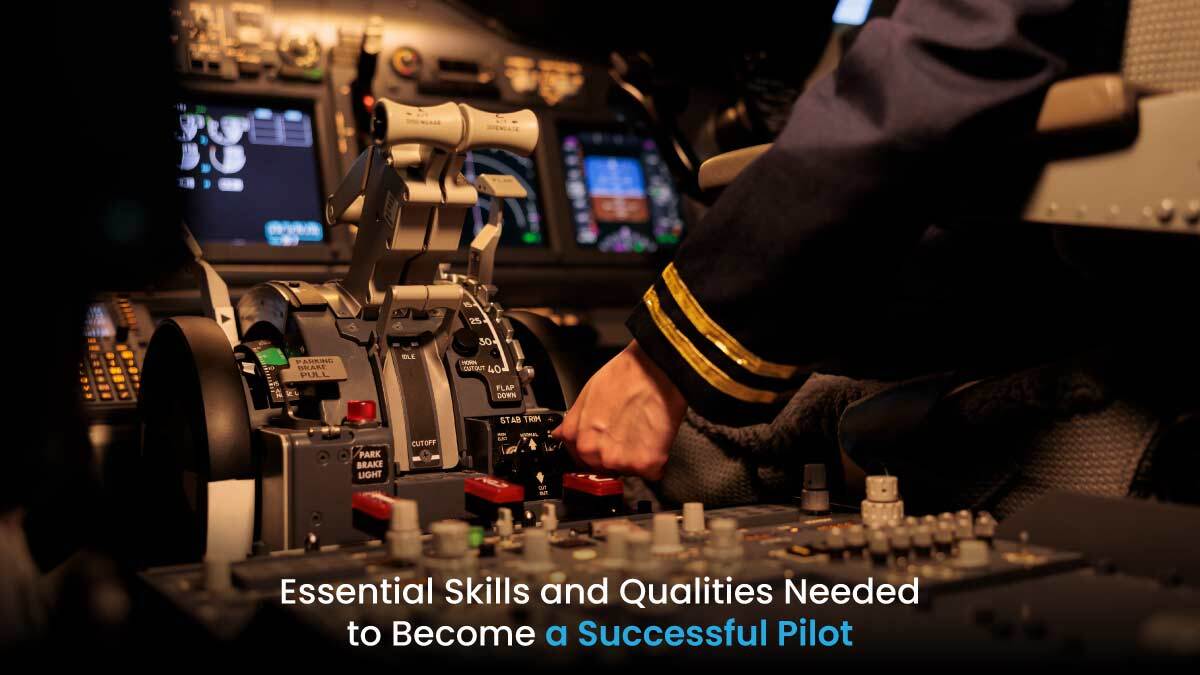
Essential Skills and Qualities Needed to Become a Successful Pilot

Becoming a pilot isn’t merely about ticking off flight hours; it’s about cultivating a unique blend of skills and traits that set you apart. The qualifications to become a pilot include adapting to changing weather patterns like a seasoned pro, radiating calm under pressure, and leading your team with confidence. A pilot’s journey is a constant quest for knowledge, fueled by an unyielding passion for aviation and an unwavering commitment to safety. Here are the requirements to become a pilot and the qualities you need to succeed in this demanding profession.

Technical Proficiency

Think of a pilot as a high-flying multitasker, juggling complex aircraft systems while keeping a cool head amidst the clouds. The aircraft pilot qualifications are the need for a sharp mind for math and science, lightning-fast reflexes, and the ability to make split-second decisions when the stakes are high. It’s about staying laser-focused even when turbulence hits and communicating seamlessly with air traffic control and your crew. Insight Aviation is a world-renowned FTO which can upskill your technical skills and train you to be a sound pilot with the following skills:-

  • In-depth Knowledge of Aerodynamics: Understanding how aircraft operate, including the principles of flight, is crucial. Pilots must grasp concepts such as lift, drag, and thrust, and how they interact with weather conditions.
  • Navigation Skills: Mastery of navigation tools and techniques, from traditional compass and maps to advanced GPS systems, is essential. Pilots must be able to plot courses and adjust for variables like wind and turbulence.
  • Aircraft Systems Expertise: Pilots must be familiar with the mechanics of the aircraft, including engines, electrical systems, and avionics. They must be able to diagnose and address technical issues mid-flight.

Strong Communication Skills

Pilots must communicate effectively with air traffic control, crew, and passengers. This requires conveying information clearly and concisely, especially in high-pressure situations. For international pilots, proficiency in multiple languages can be a significant asset, helping to bridge communication gaps in different regions.

Analytics and Decision-Making Skills

Pilots often face unexpected challenges, such as sudden weather changes or mechanical failures. The ability to make rapid decisions leads to problem-solving. They must analyse data from various instruments, assess situations, and determine the best course of action, often under time constraints.

Flight Monitoring Skills

Every flight begins with meticulous checks. Pilots must ensure every aspect of the aircraft is in optimal condition, from fuel levels to control surfaces. Continuous monitoring of instruments and systems during flight is essential to detect any irregularities early.

Physical and Mental Stamina

Long-haul flights, irregular hours, and the physical demands of controlling an aircraft require pilots to have excellent physical stamina. They must remain calm and focused, even during extended periods of stress or when facing emergencies.

Situational Awareness

Pilots must have a keen sense of their environment and understand their position relative to the ground, other aircraft, and navigational aids. A successful pilot always thinks ahead, anticipates potential issues, and plans accordingly.

Leadership and Teamwork

Pilots are responsible for the safety of everyone on board. This requires strong leadership skills and the ability to make authoritative decisions. While pilots often work with co-pilots and crew, they must foster a collaborative environment where everyone’s input is valued.

Adaptability to Change

The rules and technology associated with aviation are always changing. Pilots must commit to ongoing education and staying current with the latest developments. Pilots must be adaptable and ready to learn, Whether flying a new type of aircraft or navigating unfamiliar airspace.

Emotional Intelligence

Understanding and managing the emotions of passengers and crew, especially in stressful situations, is important for maintaining morale and calm. Pilots must maintain composure, even when faced with frustrating or challenging circumstances.

Passion for Aviation

A genuine passion for flying drives pilots to excel and overcome the challenges of the profession. Above all, successful pilots are deeply committed to safety, prioritising it in every decision they make.

Becoming a successful pilot is long and challenging, but those who possess and cultivate these essential skills and qualities will find it a rewarding career. Join Insight Aviation’s IndiGo Cadet Pilot Programme and learn the art of flying. With extensive training and your passion for aviation, Insight Aviation can make your dreams come true.

Start Your Flying Journey Now

FAQs

Q. What are the most important skills a pilot needs?

A. Technical, analytical, decision-making, communication and physical skills are the most important skills for a successful pilot.

Q. What personal qualities are essential for a pilot?

A. Personal qualities such as a positive attitude to learning new things and situational awareness can make a pilot make the right decisions in intense situations.

Q. Which subject is most important for the pilot?

A. All the subjects are equally important in the pilot training. The critical one to learn is Aviation meteorology, the study of weather phenomena that impact flying.

Categories
Aviation Industry News - Media Aviation Statistics Commercial Pilot Flight Training Indigo Cadet Pilot Programme Pilot Training Pilot Training in India Pilot Training News

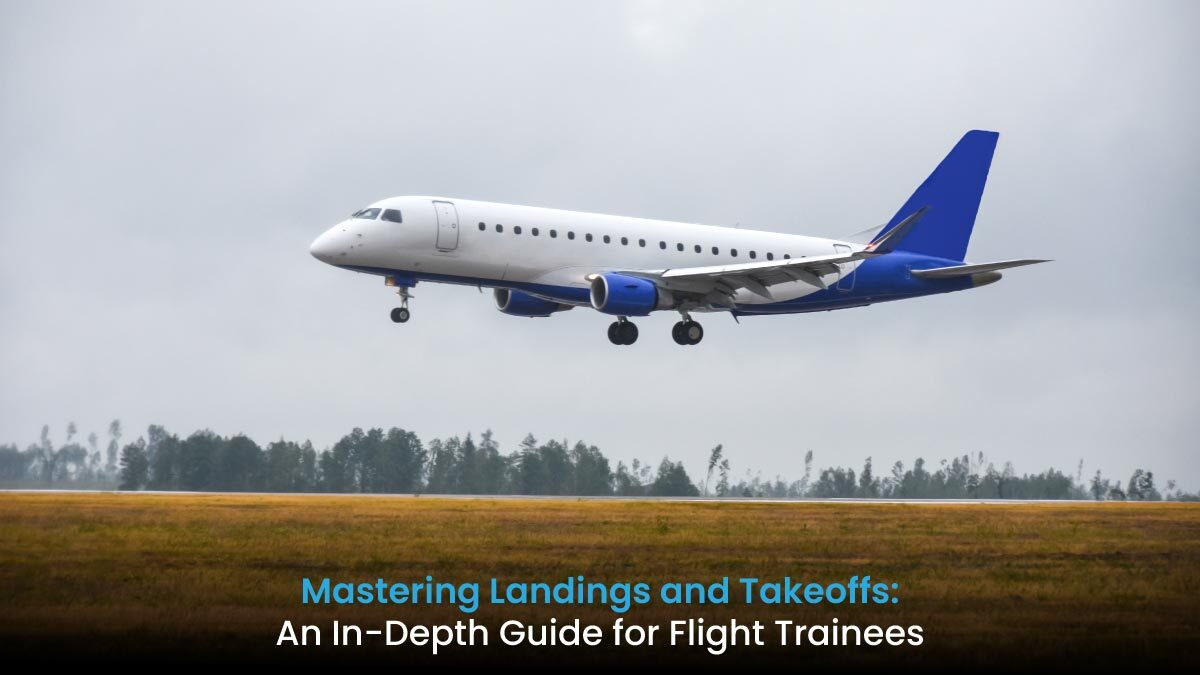
Mastering Landings and Takeoffs: An In-Depth Guide for Flight Trainees

While the path to becoming a skilled pilot is paved with countless challenges, none are more vital than mastering the twin arts of takeoff and landing. These two phases of flight are the most complex and demanding aspects of aviation. Flight trainees are required to have a blend of precision, situational awareness, and technical expertise to ensure the safety of every flight. In this guide, let us explore the key elements that contribute to successful landings and takeoffs. 

Understanding the Basics

Understanding the foundations is crucial before delving into the approaches:

  • Takeoff: This phase involves accelerating the aircraft to a speed where lift overcomes weight, allowing the plane to leave the ground. A successful flight takeoff requires proper aircraft configuration, understanding runway length, and considering factors such as wind speed and direction.
  • Landing: Landing is the process of returning the aircraft to the ground, and it’s often the most challenging aspect of flying. It requires precise control of speed, descent rate, and alignment with the runway, along with managing external conditions like weather.

Takeoff Techniques for Trainees

  1. Pre-Takeoff Checklist: Before every takeoff, a thorough checklist is crucial. This includes verifying fuel levels, flap settings, trim, and engine parameters. A missed step can lead to complications during the climb.
  2. Understanding V-speeds: Familiarise yourself with V-speeds, particularly V1 (decision speed), VR (rotation speed), and V2 (safe climb speed). These speeds are vital for making decisions during takeoff.
  3. Runway Alignment and Roll: Use the rudder pedals to maintain alignment with the runway centerline. Apply power smoothly to avoid sudden torque that could cause the aircraft to veer off course.
  4. Rotation and Initial Climb: At VR, gently pull back on the yoke to rotate the aircraft. The key is to avoid over-rotating, which could lead to a stall, and to maintain a steady climb rate.
  5. Handling Aborted Takeoffs: Know the procedures for aborting a takeoff. If any abnormality is detected before V1, abort the takeoff. After V1, it’s safer to continue the takeoff unless a catastrophic failure occurs.

Landing Techniques for Trainees

  1. Approach and Descent Planning: A good flight landing starts with a well-planned approach. Maintain the correct glide slope using visual or instrument guidance systems and ensure the aircraft is configured for landing with the appropriate flaps and speed.
  2. Understanding the Flare: The flare is the transition from a descent to a level flight just before touchdown. The key to a smooth landing is a gentle flare that reduces the descent rate without ballooning the aircraft.
  3. Crosswind Landings: Practice crosswind landing techniques, such as the crab method (aligning the nose into the wind) or the wing-low method (using an aileron into the wind and opposite rudder). Crosswinds are a significant challenge for new pilots, but mastering these techniques is essential.
  4. Touchdown and Rollout: Aim for a gentle touchdown on the main wheels first, followed by lowering the nose wheel. Maintain runway alignment using rudder inputs and gradually reduce speed while applying brakes.
  5. Go-Arounds: Never hesitate to initiate a go-around if the approach is unstable or conditions are unfavourable. It’s better to make another attempt than to risk a poor landing.

Common Mistakes and How to Avoid Them

  1. Overcontrolling: New pilots often tend to overcorrect during landings and takeoffs. Practice smooth, small inputs to avoid sudden movements that could destabilise the aircraft.
  2. Misjudging Altitude and Speed: Avoid focusing too much on the runway during landing, as this can lead to a misjudgment of altitude and speed. Use instruments to monitor your descent and ensure a stabilised approach.
  3. Ignoring Environmental Factors: Always consider factors like wind, weather, and runway conditions. Ignoring these can lead to difficulties during both takeoff and landing.

Building Confidence Through Practice

Mastery comes with experience. Regularly practice landings and takeoffs under various conditions, including different wind speeds, runway lengths, and aircraft configurations. Utilise simulators to refine your skills without the pressures of actual flight. Additionally, seek feedback from instructors and experienced pilots to continuously improve your technique.

Mastering landings and takeoffs is a pivotal part of a pilot’s flight training. By understanding the principles, practising consistently, and learning from each flight, trainees can build the confidence and skill required to execute these manoeuvres safely. Insight Aviation’s instructors can make you excel in take-offs and landings with their extensive years of expertise. Join Insight Aviation’s IndiGo Cadet Pilot Programme and be a master of skies.

Start Your Flying Journey Now

FAQs

Q. How important is it to understand weather conditions for takeoffs and landings?

A. Knowing about flying techniques in changing weather conditions can help you land your dream career. This is the highest level of skill required in Aviation, which can set you apart from others

Q. What role does simulator training play in mastering landings and takeoffs?

A. In a safe and controlled setting, simulators can assist trainees in experiencing real-life critical circumstances like engine problems, harsh weather, and flight emergency landings.

Q. How can flight trainees develop better control during short-field landings?

A. By regularly practising complete control of your airspeed and descent rate in real-life scenarios or simulators, flight trainees can develop better control during short-field landings.

Categories
Aviation Industry News - Media Aviation Statistics Commercial Pilot Flight Training Indian Aviation News Pilot Training in India Pilot Training News

Why Does Insight Aviation Stand Out in Pilot Training?

Insight Aviation Stand Out in Pilot Training

In the dynamic field of aviation, aspiring pilots require training that facilitates a successful career trajectory. Insight Aviation stands out in this domain, particularly for its collaboration with IndiGo Airlines through the IndiGo Cadet Pilot Program. This blog delves into the unique aspects that position Insight Aviation as a leading choice for pilot training in India.

Comprehensive Training Programs

Insight Aviation provides robust training programs that adhere to strict Directorate General of Civil Aviation (DGCA) regulations, offering a holistic educational experience that includes both theoretical and practical training components.

Ground School

The curriculum at Insight Aviation’s Ground School covers essential aviation knowledge, including:

  • Aviation Regulations: Comprehensive understanding of the laws that govern aviation.
  • Meteorology: Studying weather patterns and their impact on flight.
  • Navigation: Mastering the skills necessary for efficient flight planning and execution.

This foundational stage is critical for preparing aspiring pilots for the complexities of their flight training.

Flight Training

Following ground school, students progress to Flight Training, where they apply their theoretical knowledge in real-world flying scenarios under the guidance of experienced instructors. This phase is crucial for developing piloting skills and building confidence.

The IndiGo Cadet Pilot Programme

Insight Aviation’s partnership with IndiGo Airlines through the IndiGo Cadet Pilot Program uniquely positions it to offer specialised training tailored to the needs of Indian nationals and Overseas Citizens of India (OCI).

Program Requirements

Eligibility for the program includes:

  • Age between 18 and 32 years.
  • Higher Secondary Certificate with minimum scores of 51 % in English, Physics, and Mathematics.
  • Valid Class 1 medical certificate.

Successful cadets are awarded a Commercial Pilot License (CPL) that includes Airbus A320 Certification

Advanced Training Facilities: Gurugram and Port Alfred, South Africa

Gurugram Training Center

The Gurugram facility boasts state-of-the-art classrooms and dedicated ground school facilities designed to optimise learning. Comprehensive amenities like on-campus accommodation and fitness facilities ensure a supportive environment for students.

South Africa Flight Training at 43 Air School

A significant highlight of the program is the advanced flight training conducted in collaboration with 43 Air School in South Africa. This partnership allows cadets to train in varied flying conditions and landscapes, greatly enhancing their adaptability and experience. The South African facility offers access to a large fleet of over 70 well-maintained aircraft and state-of-the-art simulators, which are instrumental in allowing students to practice complex manoeuvres and emergency scenarios in a controlled environment.

Fleet and Flight Simulators

Insight Aviation boasts a diverse fleet and advanced simulators to ensure comprehensive training:

  • Single Engine: 168 hours of flight training on Piper Cherokee, Piper Arrow, and Cessna-172 aircraft.
  • Multi-Engine: 15 hours on Piper Seneca aircraft.
  • Flight Simulators: 46 hours, including 36 hours on single-engine and 10 hours on multi-engine simulators.

This extensive hands-on and simulated training prepares students thoroughly for real-world flying, and handling of various aircraft types.

Career Support and Mentorship

In addition to flight training, Insight Aviation goes an extra step in assisting the trainees by providing comprehensive career guidance. This includes knowledge from experienced aviators, career tutorials on joining the aviation employment market, especially with opportunities at IndiGo Airlines.

Unwavering Commitment to Safety

Ensuring the safety of cadets during training, Insight Aviation has complied with the most stringent provisions of the DGCA, and has established the most comprehensive Safety Management System (SMS), which will ensure that training is conducted in the safest manner possible.

Staying at the Forefront of Industry Trends

Insight Aviation’s programs are constantly revised to reflect current practices in the aviation field so that the graduates we produce will meet the standards required in modern aviation.

Conclusion

Insight Aviation has solidified the school’s reputation as the pilot training school for aspiring pilots in India through its training, safety and partnership offers, including IndiGo Airlines and 43 Air School. We focus on training pilots and ensuring that our students get successful aviation careers, providing rigorous training and comprehensive support services, which make us an exemplary choice for aspiring pilots.

Start Your Flying Journey Now

FAQs

Q. In addition to flight training, what other ways does Insight Aviation assist students?

A. By offering career guidance, professional counselling, and ensuring intensive career preparedness.

Q. How does Insight Aviation ensure the safety of its training program?

A. Insight Aviation ensures the safety of its training program by following important measures, such as compliance with the DGCA standards and a well-developed and implemented SMS system that incorporates risk management and safety assurance as key points.

Q. What differentiates the Insight Aviation training program?

A. The combination of theoretical knowledge with a higher practical experience facilitated by cooperation with IndiGo Airlines and 43 Air School.

Q. How does Insight Aviation stay current with industry changes?

A. Understanding that training cannot be prematurely updated, Insight Aviation maintains communications with aviation regulating entities and industry players to keep its training programs relevant to the latest advancements in aviation technology and regulation.