

Categories
Aviation Industry News - Media Commercial Pilot

Life of a Commercial Pilot

Life of commercial pilot

Ever wondered what it takes to be a commercial pilot? Want to know how a commercial pilot’s life unfolds? Join us as we explore the journey of a commercial pilot, unveiling the intricacies, challenges, and thrills of life at 35,000 feet. Let’s explore the dynamic experiences and professional insights shared by seasoned aviators soaring through the skies day in and day out.

From the breathtaking vistas witnessed through cockpit windows to the adrenaline-pumping moments of navigating through turbulent weather, our blog aims to paint a vivid portrait of the daily life, trials, and challenges encountered by those entrusted with the responsibility of ferrying passengers safely to their destinations.

What Does a Commercial Pilot’s Life Look Like?

Diversity in Schedule: One of the most appealing aspects of being a commercial pilot is the diversity it offers. Every day brings new destinations, new challenges, and new experiences. Whether flying short-haul routes or long-haul international flights, pilots have the opportunity to explore different cultures and landscapes, all while doing what they love.

Frequent Travels: Commercial pilots are constantly on the move, flying to various destinations both domestically and internationally. They have the privilege of visiting cities and countries around the world, often experiencing diverse cultures, cuisines, and landscapes. Each flight presents a new adventure, whether it’s soaring over snow-capped mountains, skimming over turquoise seas, or descending into bustling urban centres.

Exploring Countries: While the primary purpose of a pilot’s travel is for work, they often have layovers or overnight stays in different cities, allowing them to explore and experience the local culture. Whether it’s sampling street food in Bangkok, strolling through historic European towns, or hiking in the wilderness of New Zealand, pilots have the opportunity to immerse themselves in the destinations they visit, even if only for a short time.

Work-Life Balance: Despite the allure of travel and adventure, the life of a commercial pilot can also be demanding in terms of time away from home. Pilots often work irregular hours, including early mornings, late nights, weekends, and holidays. However, many pilots find ways to balance their professional and personal lives, making the most of their time off to reconnect with loved ones and pursue hobbies and interests outside of aviation.

Challenges:  Alongside the excitement of flying comes a significant amount of responsibility. Pilots face challenges in navigating through unpredictable weather conditions and addressing technical issues with aircraft systems. They must adhere to stringent aviation regulations, manage fatigue effectively, and communicate clearly with air traffic control and crew members. Making critical decisions under pressure and handling emergencies with composure are integral parts of a pilot’s role.

Enjoying Life and Leisure: Despite the demands of their profession, commercial pilots do find time to enjoy life and leisure activities. During layovers or days off, they can indulge in hobbies such as golfing, skiing, scuba diving, or simply relaxing on a beach. Many airlines provide their pilots with access to recreational facilities, discounted travel benefits, and accommodations in luxury hotels, allowing them to unwind and recharge between flights.

Rewards and Fulfillment: Despite the challenges, the life of a commercial pilot offers numerous rewards and a profound sense of fulfilment. There’s a unique satisfaction that comes from mastering the art of flight, from the adrenaline rush of takeoff to the serenity of cruising at altitude. For many pilots, the opportunity to travel the world, meet new people, and experience different cultures is unmatched by any other profession.

Continuous Learning and Growth: Aviation is an ever-evolving industry, and commercial pilots are required to stay abreast of the latest advancements in technology, safety protocols, and regulatory requirements. Pilots undergo recurrent training and regular proficiency checks to maintain their skills and certifications. This commitment to continuous learning ensures that pilots remain competent throughout their careers.

Luxury Lifestyle: While not every aspect of a pilot’s life is glamorous, there are certainly elements of luxury associated with the profession. Pilots often enjoy perks such as first-class travel, exclusive airport lounges, and preferential treatment at hotels and restaurants. They sometimes have access to high-end amenities and services while on duty, such as private transportation and gourmet catering. Additionally, the financial rewards of a successful aviation career can afford pilots the opportunity to indulge in luxury goods, fine dining, and upscale experiences during their downtime.

Join IndiGo’s Cadet Pilot Program from Insight Aviation, the best commercial pilot course in India, and get your commercial pilot license to fly, making your dreams come true. Visit their website to know more about the modules, duration and other details like commercial pilot course fees in India.  While the journey to becoming a commercial pilot may be challenging, the rewards are immeasurable. From competitive salaries and travel perks to the satisfaction of making a difference in people’s lives, the life of a commercial pilot offers a unique blend of excitement, adventure, and fulfilment. Join Insight Aviation as we navigate the skies and explore the fascinating world of commercial aviation!

Start Your Flying Journey Now

FAQs

​​Q. Is piloting a lifetime job?

A. A pilot also has a retirement age, as per the currently existing rules, you can continue working as a pilot in an airline till the age of 65 years.

Q. Do pilots fly every day?

A. No, there is no specific rule for flying each day by a pilot, the flights are scheduled according to the aviation requirements and the pilot has to follow the schedule.

Q. What age do most commercial pilots retire?

A. Most airlines have rules of retirement for pilots at 65 years of age.
Categories
Aviation Industry News - Media Commercial Pilot Indian Aviation News Pilot Training Pilot Training News

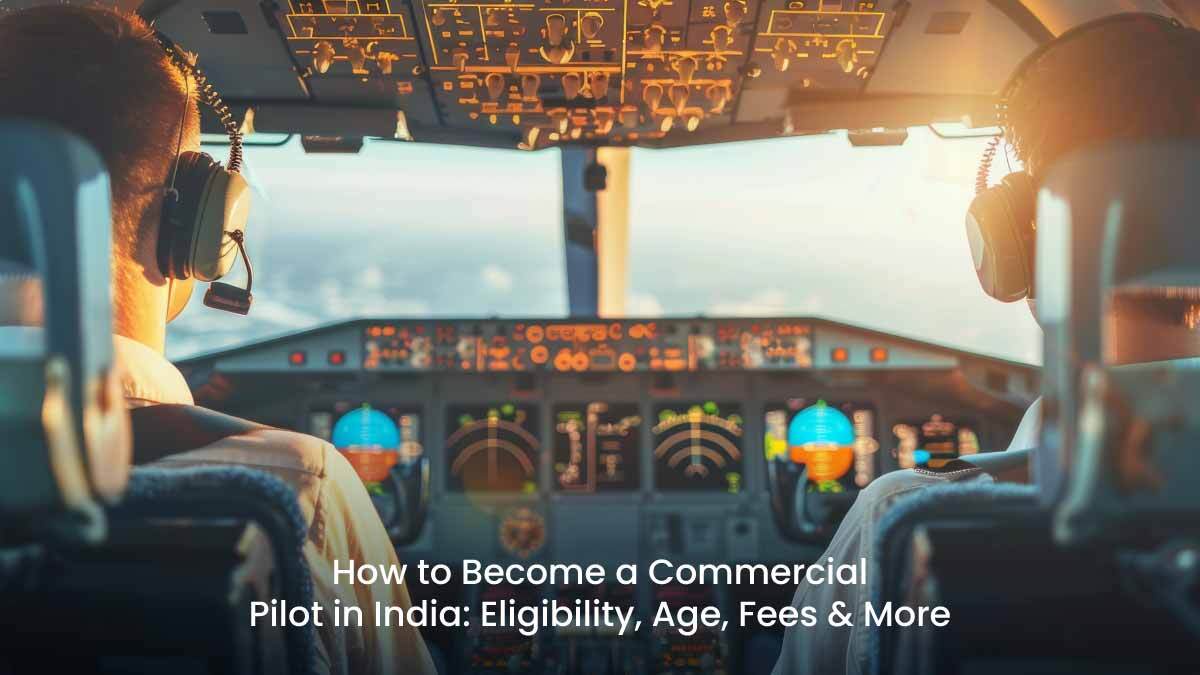
How to Become a Commercial Pilot in India: Eligibility, Age, Fees & More

Become a Commercial Pilot in India

So, you dream of soaring through the skies, piloting a magnificent machine, and experiencing the thrill of flight? If you want to leap and become a commercial pilot in India, this blog is your one-stop guide. We’ll explore everything you need to know, from eligibility and age requirements to the nitty-gritty of fees and training. Buckle up, aspiring aviators, and get ready for takeoff!

Taking Flight: A Career as a Commercial Pilot in India

The Indian aviation industry is experiencing phenomenal growth, creating a surge in demand for skilled commercial pilots. How to become a pilot in India is a question on the minds of many, and with the proper preparation and training, you can be part of this exciting journey.

Insight Aviation, a leading provider of comprehensive pilot training programs, is here to equip you with the knowledge and skills to soar towards your dream career. Our pilot course is designed to meet the exacting standards of the Directorate General of Civil Aviation (DGCA), the regulatory body governing Indian aviation.

STEP 1. Eligibility Criteria: Are You Cut Out to Be a Pilot?

Before we delve into the specifics of training, let’s address the crucial question: how to be a pilot in India? Here are the essential requirements:

  • Educational Qualification: A minimum of 10+2 education in Physics and Mathematics is mandatory.
  • Age: The minimum age to begin pilot training is 17 for a Student Pilot License (SPL). To obtain a Commercial Pilot License (CPL), the minimum age is 18 years.
  • Medical Fitness: You’ll need to pass a rigorous Class 1 medical examination conducted by DGCA-approved doctors. This ensures you meet the stringent medical standards for commercial pilots.
  • English Language Proficiency: Excellent communication and comprehension skills in English are essential for air traffic control and critical for pilot training.

In addition to these core requirements, airlines often look for candidates with strong leadership qualities, good decision-making skills, and meticulous attention to detail. Patience, discipline, and a genuine passion for aviation are also highly valued traits.

STEP 2. Checking Pilot Course Structure and Training

Now that you understand the eligibility criteria, let’s explore the pilot course structure at Insight Aviation. Our program is meticulously designed to equip you with the theoretical knowledge and practical flying experience necessary to excel as a commercial pilot.

The program encompasses two main components:

  • Ground schooling: This intensive theoretical training covers a wide range of subjects, including:
    • Compass Training
    • Aviation regulations
    • Aircraft systems
    • Meteorology
    • Navigation
    • Aerodynamics
    • Human factors
    • Air traffic control procedures
  • Flight training: You’ll gain hands-on experience under the guidance of our expert instructors in our fleet of well-maintained aircraft. Flight training progresses gradually, starting with basic manoeuvres and culminating in complex instrument flying procedures.

The total flying hours required to obtain a CPL typically range between 200-250 hours, depending on individual learning pace and DGCA regulations.

STEP 3. Reviewing Pilot Course Fees and Additional Costs

The cost of a pilot course in India can vary depending on the chosen training institute, aircraft types, and the required flying hours. Insight Aviation strives to offer competitive pilot course fees while maintaining the highest training standards.

Here’s a general breakdown of the potential costs involved:

  • Pilot course fees: This covers the cost of ground schooling, flight training materials, and instructor fees.
  • Flying hours: The cost per flying hour varies depending on the aircraft type.
  • Medical examination: The cost of the mandatory DGCA Class 1 medical examination.
  • DGCA license fees: Fees associated with obtaining the CPL and other necessary licenses.
  • Living expenses: Accommodation and other living expenses during the training period.

While the initial investment can be significant, a career as a commercial pilot offers lucrative salaries and excellent career progression opportunities.

STEP 4. Seeking Career Prospects for Commercial Pilots in India

The Indian aviation sector is experiencing a boom, with a growing demand for skilled pilots. This translates to promising career prospects for graduates of our pilot course. Insight Aviation is committed to supporting your career journey by providing guidance and placement assistance.

Here are some of the potential career paths for commercial pilots in India:

  • Commercial Airline Pilot: Fly passengers and cargo on domestic and international routes for commercial airlines like IndiGo. This is the most common career path for commercial pilot graduates in India.
  • Charter Pilot: Fly private charter flights for individuals or businesses. This path offers a flexible schedule and the opportunity to work with diverse clients.
  • Flight Instructor: Train the next generation of pilots at flying schools nationwide. Flight instructors play a crucial role in shaping the future of Aviation.

STEP 5. Selecting the best Aviation School for Your Pilot Training?

With numerous pilot training schools in India, you might wonder why Insight Aviation should be your partner in this exciting endeavour. Here’s what sets us apart:

  • Industry-aligned training: Our pilot course curriculum is meticulously designed to align with the specific requirements of leading Indian airlines like IndiGo. This ensures you graduate with the skills and knowledge that airlines actively seek.
  • Experienced Instructors: Our team comprises highly qualified and passionate aviation professionals with extensive experience in pilot training. They are dedicated to your success and will guide you through every step of the journey.
  • Comprehensive Training: We offer a well-rounded program encompassing theoretical knowledge and practical flight training. You’ll gain a thorough understanding of all aspects of commercial piloting, from aircraft systems to complex navigation procedures.
  • Focus on Career Success: We go beyond just training pilots. We equip you with the tools and resources to thrive in the competitive aviation industry. This includes career guidance, resume writing workshops, and mock airline interviews.
  • Modern Training Fleet: Our well-maintained fleet of modern aircraft provides a safe and efficient training environment. You’ll gain experience in various aircraft types, preparing you for a smooth transition to airline flying.
  • Safety First: Safety is paramount at Insight Aviation. We have a stringent safety culture and employ the latest training methods to ensure your well-being throughout the program.

Start Your Flying Journey Now

FAQs

1. How many entrance exams are there for Pilot training?

There’s no single entrance exam. Flight schools may have their own tests. AME CAT, AFCAT, and IGRUA exams can be beneficial but aren’t mandatory for commercial pilot training. DGCA licensing exams are essential.

2. When does a Pilot become a Captain?

There’s no set time frame for becoming a Captain. It depends on several factors like experience, airline policies, and accumulating the required flying hours as a First Officer (co-pilot). Airlines in India typically require a minimum of 1,500 flying hours for Captain eligibility.

3. Do banks provide loans for Commercial Pilot Courses in India?

Yes, some banks in India offer loan programs specifically for pilot training. However, eligibility criteria and interest rates can vary. It’s advisable to research and compare loan options offered by different banks.