Categories
43 Air School Aviation Industry News Aviation Industry News - Media Aviation Statistics Aviation Statistics Commercial Pilot Flight Training Indian Aviation News Insight Aviation Pilot Training Pilot Training in India Pilot Training News

Why Aviation English is Crucial: Safety, Communication & Global Careers

The Universal Language Powering Aviation Safety

In the high-stakes world of aviation, language is more than communication — it’s a safety instrument. Every transmission between pilots and air traffic controllers has the potential to influence the outcome of a flight. With thousands of aircraft crossing borders daily, a universal medium becomes indispensable.

That’s why the International Civil Aviation Organization (ICAO) designated English as the global language of aviation, ensuring seamless communication across diverse linguistic and cultural boundaries.

Communication: The Invisible Shield of Flight Safety

Aviation accidents rarely result from mechanical failure alone — more often, they stem from communication breakdowns. In moments where every second counts, even a single misheard word can have dire consequences.

Aviation English serves as a linguistic safety net, standardizing phraseology to eliminate ambiguity and enhance situational awareness.

Example of clarity in communication:

  • ❌ “You may land now.” → Ambiguous
  • ✅ “Cleared to land, Runway 27.” → Precise and standardized

Why Standardized Aviation English Saves Lives

  • Removes uncertainty from radio exchanges
  • Enables precise coordination during emergencies
  • Reduces the risk of human error caused by linguistic confusion

Beyond Pilots and Controllers: Who Uses Aviation English?

While cockpit and control tower communications are most visible, Aviation English extends far beyond the flight deck. It connects the entire ecosystem that keeps global aviation running smoothly:

  • Cabin Crew: Managing passenger communication and in-flight safety protocols
  • Ground Operations: Coordinating refuelling, dispatch, and ground handling across time zones
  • Engineers and Technicians: Interpreting complex maintenance documentation written in English
  • Meteorologists and Flight Dispatchers: Communicating flight routes and weather updates to multinational crews

The Career Edge: Why English Fuels Global Aviation Careers

Proficiency in Aviation English isn’t just a regulatory requirement — it’s a career accelerator.
Airlines and aviation authorities prioritize candidates who can communicate confidently in English, especially in international cadet pilot programs and global airlines.
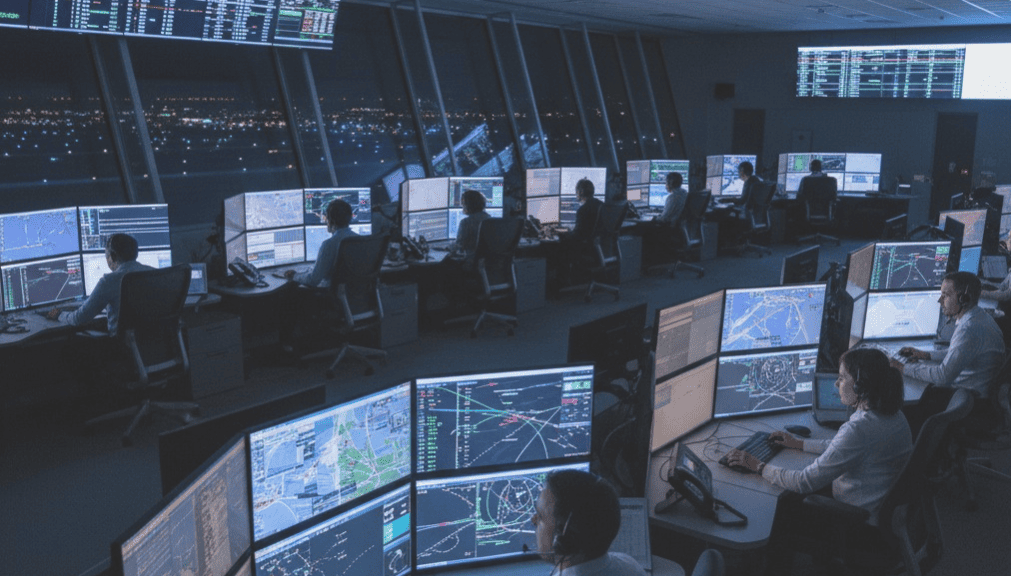
Benefits of Mastering Aviation English:

  • Clear communication across multinational flight operations
  • Improved performance in assessments like ADAPT and Group Assessment and Interview
  • Enhanced employability in both domestic and international airlines
  • Ability to interpret manuals, standard operating procedures, and flight data efficiently

Quick Fact:

ICAO mandates all international pilots and air traffic controllers to achieve at least Level 4 English proficiency to operate safely.

Pro Tip:

Even the most seasoned pilots and controllers rely on standard phraseology — in aviation, every word is measured, and every pause matters.

Final Approach: The Takeaway

In aviation, English isn’t just a language — it’s the lifeline of global safety and professionalism.
From the first call to ATC to the final passenger announcement, Aviation English unites the skies under one voice of clarity and discipline.

If your goal is to fly with confidence, mastering Aviation English isn’t optional — it’s essential.

For more information click on Insight Aviation Indigo cadet pilot programme

https://www.insightflyer.com/indigo-cadet-pilot-programme/

Start Your Flying Journey Now

FAQs

Q. Why is English the universal language in aviation?
A. English ensures clear, standardized communication among international pilots, air traffic controllers, and aviation staff, reducing the risk of accidents.

Q. Who needs aviation English?
A. Pilots, air traffic controllers, cabin crew, engineers, ground staff, and dispatchers all rely on aviation English.

Q. How does aviation English improve safety?
A. Standardized phrases prevent misunderstandings, ensuring instructions are clear, precise, and understood by all international aviation professionals.
Categories
43 Air School A GOOD DOSE OF HOPE…. Aviation Industry News Flight Training Indian Aviation News Insight Aviation Pilot Training in India Pilot Training News

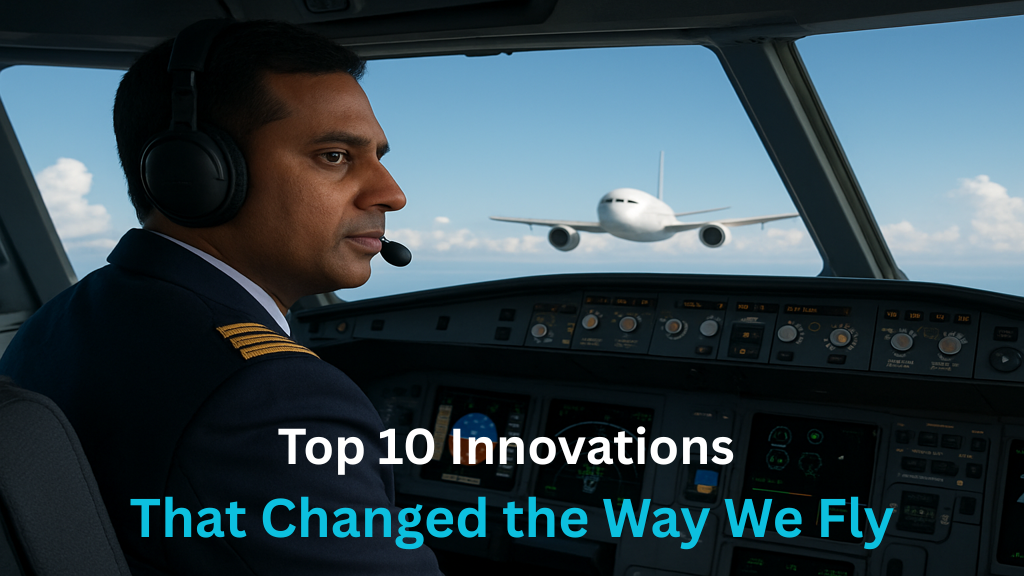
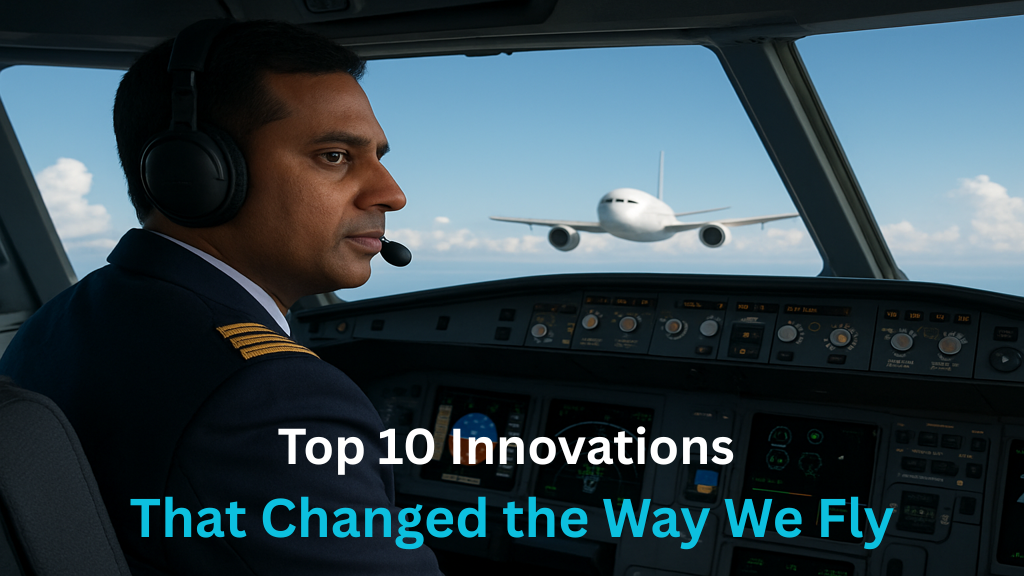
Top 10 Innovations That Changed the Way We Fly

Aviation has always been about pushing boundaries. From the Wright brothers’ shaky first flight to today’s AI-powered cockpits, the journey of flight has been nothing short of incredible. Each breakthrough hasn’t just made flying safer and faster—it has brought the world closer together. Here’s a look at ten game-changing innovations that made aviation what it is today.

1. Jet Engines – Cutting Travel Time in Half

Before jet engines, flying across the ocean was a long, slow process. The introduction of jets in the mid-1900s changed everything. Suddenly, planes were faster, more

fuel-efficient, and capable of connecting continents in hours instead of days. International travel went from being a luxury to something millions of people could access.

2.  Autopilot – Taking Stress Off Pilots

Autopilot might sound futuristic, but it’s been around for decades. What started as a simple tool is now so advanced that it can even land a plane in poor visibility. This gives pilots the freedom to focus on big-picture navigation and passenger safety instead of micromanaging every single movement of the aircraft.

3.  Flight Simulators – Training Without the Risk

If you’ve ever played a flight sim game, imagine that on a much more realistic and professional level. Today’s simulators allow pilots to practice turbulence, emergency landings, and technical failures without leaving the ground. It’s a safe, smart way to train the next generation of pilots—and schools like Insight Aviation rely on them heavily.

4.  Composite Materials – Stronger, Lighter, Greener

Planes used to be made mostly from aluminum. Now, carbon fiber and other advanced composites are the norm. These materials are tough but light, which means less fuel burned and better performance. Modern jets like the Boeing Dreamliner or Airbus A350 owe much of their efficiency to these materials.

5.  GPS – Flying With Pinpoint Accuracy

Gone are the days of maps and guesswork. GPS allows pilots to know exactly where they are, chart efficient routes, and avoid unnecessary fuel burn. It has made air travel not only faster but also far safer.

6.  Fly-by-Wire – Digital Hands on the Controls

Instead of heavy mechanical systems, today’s planes rely on digital signals. A pilot moves the controls, and computers instantly translate those actions to the aircraft. The result?

Smoother handling, fewer errors, and a major boost in safety.

7.  Smarter Safety Systems – Always Watching

From collision-avoidance alerts to weather radar, safety technology is like an extra set of eyes for pilots. These tools warn of incoming traffic, sudden storms, or tricky terrain—helping crews make decisions that keep everyone onboard safe.

8.  Wi-Fi in the Sky – Because No One Likes Being Offline

Flying used to mean disconnecting from the world. Not anymore. With Wi-Fi and live entertainment systems, passengers can work, chat, or stream mid-flight. It’s not just convenience—it has made flying feel more like part of the journey than a break from it.

9.  Sustainable Aviation Fuel – Toward a Greener Future

One of aviation’s biggest challenges is reducing its carbon footprint. Sustainable Aviation Fuel (SAF) is a huge step forward, cutting emissions by up to 80% compared to traditional fuel. Airlines across the globe are investing in it to make air travel cleaner.

10.  Artificial Intelligence – The New Co-Pilot

AI is no longer a buzzword—it’s already shaping aviation. From predicting maintenance needs before breakdowns happen to optimizing fuel use and even helping with air traffic control, AI is transforming how airlines operate. We may even be moving toward more autonomous flights in the future.

Looking Ahead

Each of these innovations has made flying safer, faster, and more sustainable. And this is just the beginning.

At Insight Aviation, we believe every aspiring pilot should not only learn to fly but also understand the tech that’s redefining aviation. The future of flying isn’t just about reaching destinations— it’s about doing so smarter, greener, and more connected than ever before.

Start Your Flying Journey Now

FAQs

Q. How did jet engines change air travel?
A. They cut travel time in half, making long-distance flights faster and more accessible.

Q. Why is autopilot important for pilots?
A. It reduces pilot workload by handling routine controls, even landing in poor visibility.

Q. What role do flight simulators play in pilot training?
A. They let pilots practice real-life scenarios safely on the ground.

Q. How do composite materials improve modern aircraft?
A. They make planes lighter, stronger, and more fuel-efficient.

Q. What advantage does GPS bring to aviation?
A. It provides pinpoint navigation, ensuring safer and more efficient routes.

Q. What does “fly-by-wire” mean in aircraft?
A. It replaces heavy mechanical controls with digital systems for smoother and safer flying.

Q. How do smarter safety systems protect flights?
A. They alert pilots to collisions, bad weather, and dangerous terrain in real time.

Q. Why is in-flight Wi-Fi a big innovation?
A. It keeps passengers connected for work, entertainment, and communication mid-flight.

Q. How does Sustainable Aviation Fuel help the environment?
A. It reduces carbon emissions by up to 80% compared to traditional jet fuel.

Q. How is AI transforming aviation today?
A. It predicts maintenance, optimizes fuel use, and supports safer flight operations.

Categories
43 Air School 43 Air School Aviation Industry News Aviation Industry News - Media Commercial Pilot Flight Training Indian Aviation News Indian Aviation News Insight Aviation Pilot Training in India Pilot Training News

Autopilot in Aviation: A Deep Dive into Modern Flight Automation

Autopilot in Aviation

In the modern world of aviation, one of the most significant innovations to improve flight safety, efficiency, and pilot workload management is the autopilot system. Often misunderstood as a “plane flying itself,” the autopilot is actually a sophisticated tool that works in tandem with the pilot, helping to manage routine tasks, especially during long flights. Let’s explore how autopilot works in aviation, its step-by-step capabilities, the technology behind it, and how pilots are trained to use it — including a detailed explanation of Autoland, one of its most advanced features.

What Is Autopilot in Aviation?

Autopilot is a flight control system installed in aircraft that automatically controls the trajectory of the plane without constant manual input from the pilot. It handles tasks like maintaining altitude, direction, and speed, especially during cruise flight. While it can manage many tasks, pilots are still essential, especially for takeoff, landing, and in abnormal situations.

Key Components of an Autopilot System

A modern autopilot system consists of several interconnected components:

  • Flight Control Computer: The central processing unit that receives input from sensors and makes real-time decisions.
  • Sensors & Instruments: Measure flight data such as altitude, airspeed, pitch, yaw, and roll. Common sensors include gyroscopes, GPS, altimeters, and inertial measurement units (IMU).
  • Actuators: Mechanical systems that move the aircraft’s control surfaces (rudder, elevators, ailerons) according to commands from the flight control computer.
  • Flight Management System (FMS): When integrated with autopilot, the FMS can guide the aircraft along a programmed flight route.

What Autopilot Can Do: Major Functions

Autopilot is designed to assist with a wide range of flying tasks. Here are its most common features:

1. Maintain Altitude
Keeps the aircraft at a steady vertical level.

2. Heading and Navigation Hold
Aligns and maintains the aircraft’s heading or follows a navigation path through GPS or VOR beacons.

3. Vertical Navigation (VNAV)
Manages climb or descent based on pre-set profiles entered in the FMS.

4. Lateral Navigation (LNAV)
Keeps the aircraft on its planned route based on waypoints programmed into the flight computer.

5. Autothrottle
Manages the aircraft’s engine thrust automatically to maintain proper speed during flight.

6. Autoland
A fully automated landing capability used primarily in poor visibility conditions.

Autoland

Autoland is one of the most advanced features of an autopilot system, allowing a plane to land automatically with minimal or no pilot intervention — especially useful in low visibility conditions.

Requirements for Autoland:

  • Runway with ILS Category III equipment.
  • Functional autopilot and autothrottle systems.
  • Dual or triple autopilot setup for redundancy.
  • Functional radio altimeter.

Safety Measures:

  • Triple redundancy.
  • Auto go-around if landing cannot proceed.
  • Constant monitoring by pilots.

How Pilots Train for Autopilot and Autoland

Despite automation, pilot training is critical to manage and supervise the system effectively.

Step 1: Ground School

  • Theory of automation.
  • Learning FMS, VNAV, LNAV, and ILS approach procedures.
  • Understanding system limitations and failures.

Step 2: Simulator Training

  • Full-motion Level D simulators replicate aircraft behavior 1:1.
  • Practice in low visibility, engine-out, and system-failure scenarios.
  • Real-time scenarios including go-arounds, diversions, and manual overrides.

Step 3: Check Ride

  • Practical exam with an instructor.
  • Must demonstrate full control of autopilot, autoland, and manual reversion.

Benefits of Autopilot in Aviation

  •  Reduced Pilot Workload: Especially on long-haul flights.
  •  Increased Safety: Minimizes human error in stable flight.
  •  Efficiency: More precise route and fuel management.
  •  Improved ATC Coordination: Accurate altitude and speed.

Closing Perspective from Insight Aviation

At Insight Aviation, we believe that automation is a co-pilot — not a replacement. Our training philosophy empowers cadets to develop a strong foundation in both manual and automated flying, preparing them for real-world airline environments. Understanding systems like autopilot and Autoland isn’t just about pushing buttons — it’s about mastering decision-making, situational awareness, and maintaining command over your aircraft at all times.

Want to learn more or become a pilot? Visit our website or contact our admissions team to begin your journey.

Start Your Flying Journey Now

FAQ

Q. What is autopilot in aviation?
A. Autopilot is a system that automatically controls an aircraft’s flight path, reducing pilot workload.

Q. Can autopilot land a plane on its own?
A. Yes, through the Autoland feature, autopilot can land a plane automatically, especially in low visibility.

Q. Do pilots still need to fly manually with autopilot onboard?
A. Yes, pilots are essential for takeoff, landing, and handling unusual situations.

Q. What are the main functions of autopilot?
A. Autopilot maintains altitude, speed, heading, and navigates both vertically and laterally.

Q. How are pilots trained to use autopilot systems?
A. Pilots undergo theory, simulator sessions, and check rides to master automation.

Q. Why is autopilot important in aviation?
A. It improves flight safety, efficiency, and reduces pilot fatigue, especially on long flights.

Categories
43 Air School Aviation Industry News - Media Commercial Pilot Pilot Training Pilot Training in India Pilot Training News

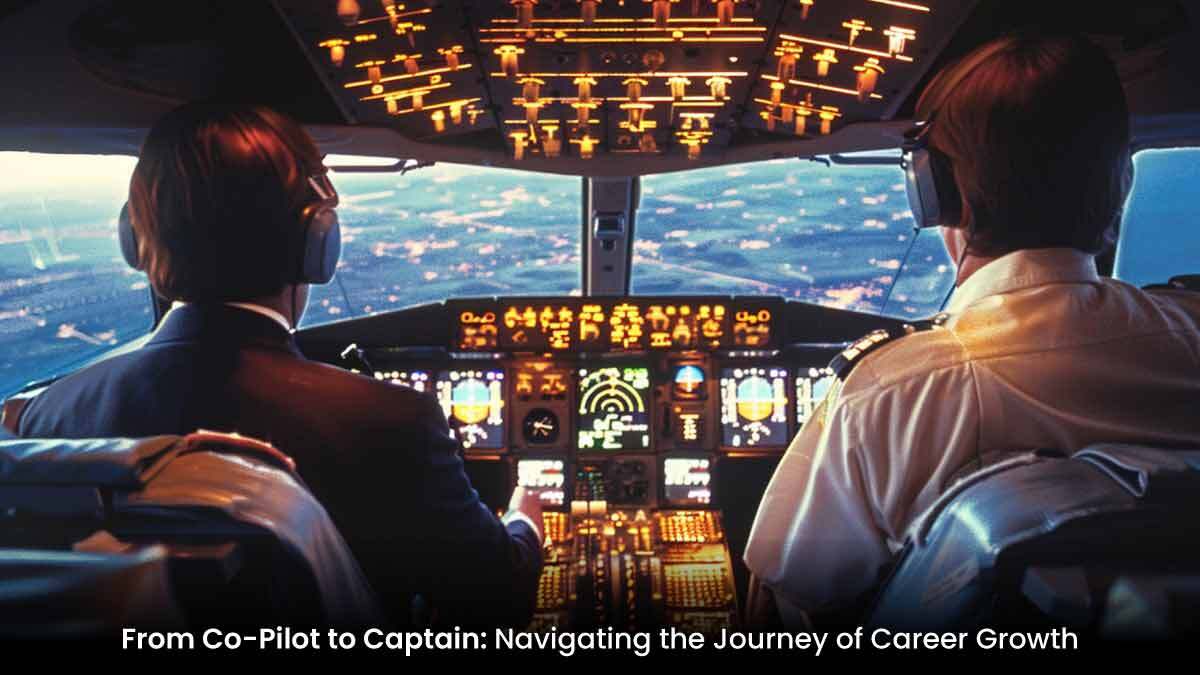
From Co-Pilot to Captain: Navigating the Journey of Career Growth

Becoming a captain of a commercial airliner is the result of numerous years of experience. The journey from first officer to captain requires dedication, skill, and perseverance. This blog will outline the steps in progressing from a first officer to the Captain’s seat, providing aspiring pilots with a roadmap to achieve their dreams.

Starting as a Cadet

The journey begins as a cadet or pilot training. Cadets wear one stripe and are usually enrolled in a training programme such as the IndiGo Cadet Pilot Program with a FTO. During this period, they complete the required number of flight hours under the guidance of a specially trained pilot. The training involves theoretical knowledge and practical flight experience, with cadets performing essential aircrew duties and continuously learning. After completing a minimum of 200 flight hours and passing all necessary tests, cadets are promoted to Second Officer.

Rank 2: Second Officer

Second officers, who wear two stripes, are typically the third in command after the Captain and the First Officer. They are responsible for pre- and post-flight inspections and monitoring flight systems while in the air. On long-haul flights, a second officer may serve as a third pilot to ensure adequate rest breaks for the crew. It usually takes one to two years of experience as a second officer before being eligible for promotion to first officer.

Rank 3: First Officer

First Officers, known as co-pilots, wear three stripes and are second in command on flights. They work alongside the Flight Captain to prepare the aircraft for flight, complete inspections and safety checks, and monitor controls during the flight. On longer flights, first officers may operate the aircraft to allow for adequate rest breaks. While typically less experienced than captains, first officers play a crucial role in flight operations. Achieving the rank of senior first officer is the next step for those seeking further advancement.

Rank 4: Senior First Officer

In some airlines, an additional rank exists between the First Officer and Captain: the Senior First Officer. Although they have the same number of stripes as a First Officer, Senior First Officers possess more experience and therefore bear greater responsibilities. They can remain in this rank for anywhere from four to twenty years as they work towards completing the required 3,000 flight hours and honing the necessary skills for Captaincy.

Rank 5: Captain

Achieving the rank of Captain is the ultimate goal for many pilots. Captains, who wear four stripes, are responsible for all aspects of the flight, including the aircraft, passengers, and crew. They ensure that all necessary safety checks are completed before, during, and after the flight. Captains are responsible for planning the flight, performing weather checks, and ensuring that all instruments are properly calibrated. Sitting in the left-hand seat, Captains can fly long-haul and short-haul flights, often assisted by one or two other lower-ranking pilots.

What is the time frame for Captaincy?

The time it takes to become a Captain varies based on the type of airline and the pilot’s competency. To become a commercial aircraft Captain, a pilot must have logged at least 1,500 flight hours and hold a full Air Transport Pilot’s Licence (ATPL). However, most short-haul airlines require a minimum of 3,000 flight hours before considering any pilot for promotion. For pilots flying a maximum of 900 hours a year, it is possible to be promoted to Captain within four to five years at short-haul low-cost airlines with high pilot turnover. Legacy or flag carriers’ time to command is significantly longer, often ranging from ten to twenty years, due to limited expansion and lower pilot turnover.

Command Assessment and Training

Meeting the flight hour requirement is just the beginning. Airlines thoroughly review a pilot’s training record and performance before putting them through a ‘command assessment,’ which may consist of an interview, a simulator check, or both. If the pilot passes this assessment, they are enrolled in a challenging command course, which is not guaranteed to be passed by all.

Becoming a Long-Haul Captain

To become a long-haul Captain, a minimum of 5,000 flight hours are required, which takes at least six years to achieve. This is not necessarily due to capability but because of the limited number of captain positions and promotions based on seniority.

The Final Goal

Only some become Captains. Those with leadership skills, communication abilities, and the right temperament can become Captains. They can enjoy better pay, preferred scheduling, and a position in the topmost hierarchy in the airline profession.

The journey from First Officer to Captain is long and demanding, requiring thousands of flight hours, rigorous assessments, and exceptional skills; for those who are dedicated and passionate about flying, the rewards of reaching the Captain’s seat are well worth the effort. Join Insight Aviation’s IndiGo Cadet Pilot Programme and start your aviation career today.

Start Your Flying Journey Now

FAQs

Q. What is the minimum flight hours requirement to become a Captain?

A. It takes a minimum of 3000 hours to become a Captain in a commercial airline.

Q. What additional training is needed for a Co-Pilot to become a Captain?

A. From becoming a Co-Pilot to becoming a Captain, the additional requirements are to hold an ATPL certificate to fly internationally.

Q. Differences in responsibilities between a Co-Pilot and a Captain?

A. Captain leads the overall flight command and controllers. Whereas first officers play a crucial role in flight operations like communicating over radio during take-off and landing.

Q. How long does it typically take to advance from Co-Pilot to Captain?

A. It takes several years of hard work and experience to become a Captain. There is no specific timelines, but typically it takes 4-20 years of experience.

Q. What is the average first officer pilot salary in India?

A. The average salary of a First Officer pilot in India is around INR 30-40 Lakhs pa. The salary is wholly dependent on the interview and the cadet’s skills.